
What to Review Before Converting a Garage into a Livable Space in Central Florida
Converting your garage into a livable space in Central Florida involves more than just a fresh coat of paint. You need to navigate zoning rules, secure the right permits, and address Florida’s unique climate challenges like humidity and hurricane risks. This checklist breaks down the key steps to help you plan a comfortable, code-compliant transformation with confidence. Ready to make your garage conversion Central Florida’s next smart upgrade? Find out more on https://www.generalcontractorsfl.net/.
Zoning and Permits for Garage Conversion
Before diving into your garage conversion project, it’s crucial to ensure compliance with local regulations. This section will guide you through zoning laws, permit requirements, and HOA approvals.
Understanding Local Zoning Laws
Navigating zoning laws is your first step. Many neighborhoods have specific restrictions on garage conversions. It’s important to check with your local zoning office to see what’s allowed in your area. Some neighborhoods might restrict converting garages into living spaces, especially if they plan to maintain a certain architectural look or density. This is where you lay the groundwork for your project: knowing these restrictions early saves you time and potential legal troubles.
Navigating Florida Garage Conversion Permits
Permits are a must for any structural changes. In Florida, you need to secure permits to ensure your conversion meets state building codes. Start by visiting your local building department to understand what’s needed. Every municipality has its own set of rules, so getting the right information is key. This might include structural, electrical, and plumbing permits. Having these in place ensures that your project adheres to safety and quality standards, providing peace of mind and legality.
HOA Approval for Garage Conversions
If your property is part of a Homeowners Association (HOA), you’ll need their approval for a garage conversion. HOAs may have guidelines on maintaining the neighborhood’s aesthetic or property values. Reach out to your HOA early in the planning process. Present your plans clearly to avoid any conflicts. Getting this approval can smooth the way for your project and prevent future disputes with neighbors.
Structural and Moisture Considerations

Converting your garage into a living space is more than just adding furniture. It requires addressing structural and moisture issues to create a safe and comfortable environment.
Structural Framing and New Headers
The foundation of a successful conversion lies in structural soundness. Your garage’s current framework might not support a livable space. Installing new framing and headers can support windows and doors, which are often required for a legal living space. Consulting with a professional can ensure these installations meet Florida’s building codes, which is vital to preventing structural failures.
Insulation and Vapor Barrier Florida
Florida’s humidity presents unique challenges. Proper insulation is essential to maintain a comfortable temperature and prevent moisture buildup. A vapor barrier is critical in managing condensation and protecting against mold. Choose the right materials that work well in Florida’s climate. This investment in insulation and vapor barriers ensures your new room remains cozy and dry throughout the year.
Managing Humidity Control in Florida Homes
In Florida, controlling humidity is crucial for comfort and health. High humidity can lead to mold and damage to furniture and walls. Installing a dehumidifier or HVAC system can help manage indoor moisture levels. Consider this step as a way to protect your investment and maintain a healthy living environment.
Mechanical, Electrical, and Plumbing (MEP)
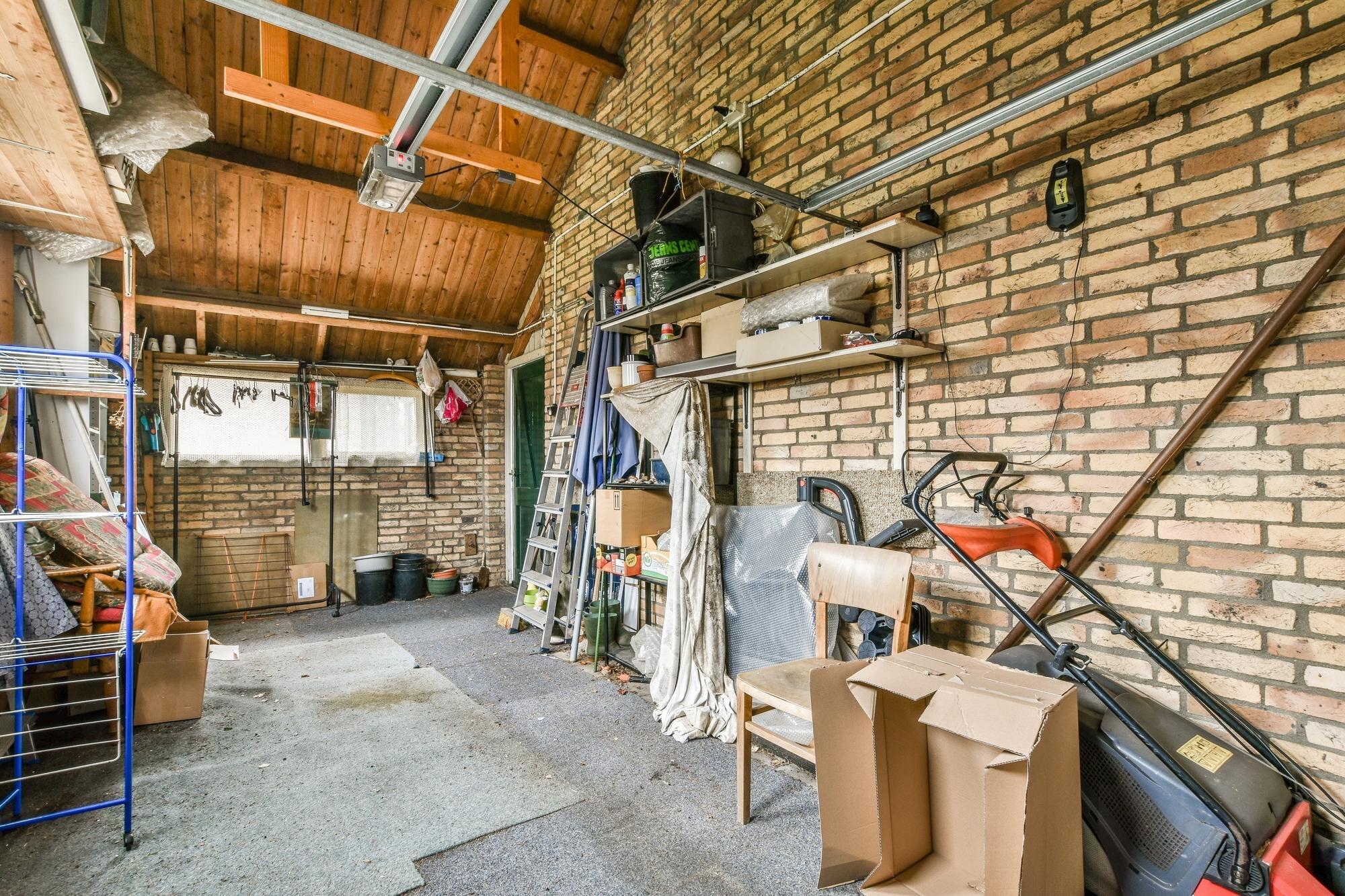
Mechanical, Electrical, and Plumbing systems form the backbone of a functional living space. Ensuring these are properly planned and installed is essential for comfort and safety.
HVAC Load Calculation and System Right-Sizing
An HVAC system tailored to your space keeps it comfortable year-round. Carrying out a load calculation helps determine the right system size for your new living area. Oversized or undersized units can lead to inefficiencies and increased costs. Consulting a professional ensures you get a system that fits perfectly.
AFCI and GFCI Code Compliance in Florida
Safety first! Arc Fault Circuit Interrupters (AFCI) and Ground Fault Circuit Interrupters (GFCI) are essential for electrical safety. These devices prevent electrical fires and shocks by cutting power during faults. Florida’s codes require these in living areas, so make sure they’re part of your electrical plan.
Plumbing Rough-Ins and Sewer Tie-Ins
If your conversion includes a bathroom or kitchenette, plumbing will be a significant component. Planning your plumbing rough-ins early ensures a smooth installation. Connecting to existing sewer lines requires precision and proper permits. This step is crucial for a functional and code-compliant living space.
Frequently Asked Questions
Can you convert a garage into a living space in Florida?
Yes, converting a garage into a living space in Florida is possible, but it requires compliance with zoning laws and building codes. It’s essential to secure the necessary permits and adhere to local regulations to ensure a legal and safe conversion.
Do I need a permit to convert my garage in Florida?
Yes, you need a permit to convert your garage in Florida. Permits ensure that your project meets the safety and quality standards set by local building codes. You’ll need to check with your local building department to determine the specific permits required for your area.
How do I control humidity in my Florida garage conversion?
Controlling humidity in your Florida garage conversion involves proper insulation, the use of vapor barriers, and installing a dehumidifier or a well-sized HVAC system. These measures help maintain a comfortable indoor environment and prevent moisture-related issues.
What are zoning laws for garage conversions?
Zoning laws for garage conversions vary by location and dictate what modifications are allowed on a property. You should contact your local zoning office to find out the specific regulations applicable to your area. Understanding these laws is crucial for legal and hassle-free conversion.
How do I get HOA approval for a garage conversion?
To get HOA approval for a garage conversion, present your detailed plans to the homeowners association early in your project. Make sure your plans align with the HOA’s guidelines to maintain neighborhood aesthetics and property values. Early communication can help you avoid conflicts and delays.