
Whether it’s a cozy suburban home or a towering commercial skyscraper, all buildings share one ubiquitous nemesis: water intrusion. This uninvited guest often sneaks in undetected, posing significant risks to both the structure and its occupants. At Sovanic, Inc., we understand the intricate details of building science and have helped countless clients rectify water intrusion issues, saving them from the costly and often distressing consequences.
The Consequences of Water Intrusion
Water intrusion can cause a multitude of problems. Let’s take a look at some of the most prevalent ones:
- • Structural Damage: Over time, water seeping into foundations, walls, and ceilings can weaken the building’s structural integrity. This may lead to serious issues such as wall collapse, ceiling fall, and even building failure.
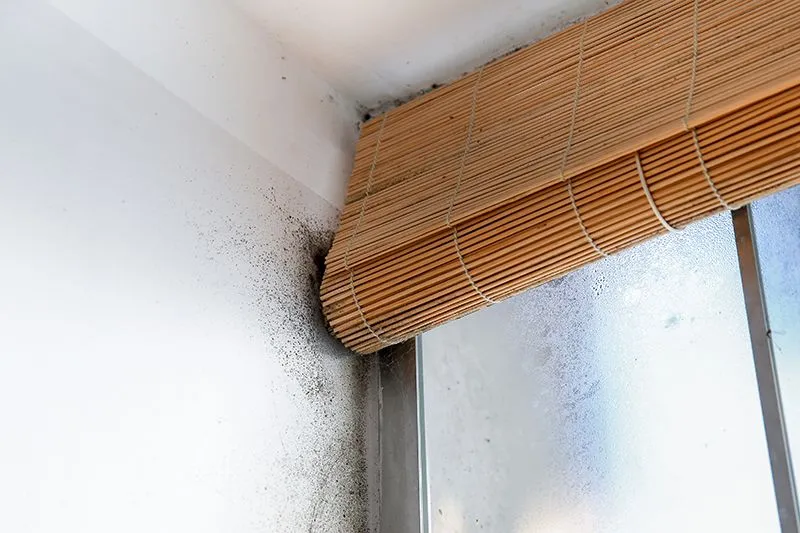
- • Mold and Mildew: These notorious fungi thrive in damp environments and can spread rapidly following water intrusion. Not only can they further damage the building materials, but they also pose health risks, including allergic reactions and respiratory problems.
- • Electrical Problems: Water and electricity are a dangerous combination. Water intrusion can cause short circuits, power outages, or even electrical fires.
- • Decreased Property Value: The aforementioned problems can significantly lower a building’s market value. Causes of Water Intrusion Identifying the causes of water intrusion is the first step towards its prevention.
HERE ARE SOME COMMON CAUSES:
- • Poor Drainage: Lack of proper drainage can lead to water accumulation around your foundation, leading to leaks.
- • Faulty Stucco and Wind-Driven Rain: A Recipe for Disaster When stucco is correctly installed, it acts as a robust barrier against the elements, including wind-driven rain. It should have a system of layers that include a water-resistant barrier and a proper drainage plane to direct water away from the structure. However, when there are faults in the stucco – such as cracks, improper sealing around windows and doors, or inadequate flashing – these can become entry points for wind-driven rain. The force of the wind can drive rainwater deep into these cracks or faults, allowing it to penetrate the underlying material. This not only deteriorates the stucco itself but also threatens the structural integrity of the building. Water can infiltrate the building’s sheathing and framing, leading to wood rot and structural damage. Moreover, water intrusion due to faulty stucco and wind-driven rain can lead to damp conditions inside the walls of the building, providing an ideal environment for mold and mildew growth. These fungi pose significant health risks, including allergies and respiratory issues, and they can also produce unpleasant odors that affect indoor air quality.
- • Roof Leaks: Damaged or aging roofs are common culprits of water intrusion.
- • Window and Door Leaks: If not properly sealed, windows and doors can allow water to seep inside.
- • Plumbing Issues: Faulty pipes and plumbing fixtures can result in leaks within walls and floors. Preventing Water Intrusion Preventive measures are crucial in warding off water intrusion and its associated problems:
- • Regular Maintenance and Inspection: Regularly check your roof, windows, doors, and plumbing fixtures for signs of wear and tear. This proactive approach can help spot potential issues before they escalate.
- • Proper Drainage: Ensure the area around your building has proper grading to direct water away from the foundation. Also, regular gutter cleaning can prevent blockages and overflows.
- • Quality Construction: Invest in quality materials and professional services when building or renovating. Waterproofing systems and materials, good quality windows, doors, and roofs can significantly reduce the risk of water intrusion.
- • Ventilation: Proper ventilation can help manage moisture levels within a building, reducing the chance of mold growth.
- • Stucco: regularly inspect stucco exteriors for signs of wear and tear, such as cracks, discoloration, bulging, or peeling. Pay special attention to areas around windows, doors, and rooflines, which are more prone to water intrusion. If faulty stucco is detected, immediate repair is crucial. Small cracks might be repairable with a high-quality sealant, but larger cracks or areas of deterioration might require professional repair or even replacement of the affected stucco. In some severe cases, underlying structural damage may need to be addressed.
Water intrusion is a serious issue that can cause significant damage to both residential and commercial buildings. However, with an understanding of its causes and a commitment to preventive measures, it’s a problem that can be managed effectively. At Sovanic, Inc., we stand ready to help you protect your investment.
Contact us today for an evaluation of your property.