
The Hidden Costs of Failed Building Inspections in Florida and How to Avoid Them
The Hidden Costs of Failed Building Inspections in Florida and How to Avoid Them
Failed building inspections in Florida are more than just a setback—they can snowball into costly delays and unexpected expenses that disrupt your entire project. At Sovanic, Inc., we’ve seen how overlooked details and rushed work lead to these problems, but also how careful planning and deep knowledge of Florida’s building codes prevent them. Keep reading to learn what’s really at stake when inspections fail—and how to keep your project on track from day one.
The Florida Inspection Environment
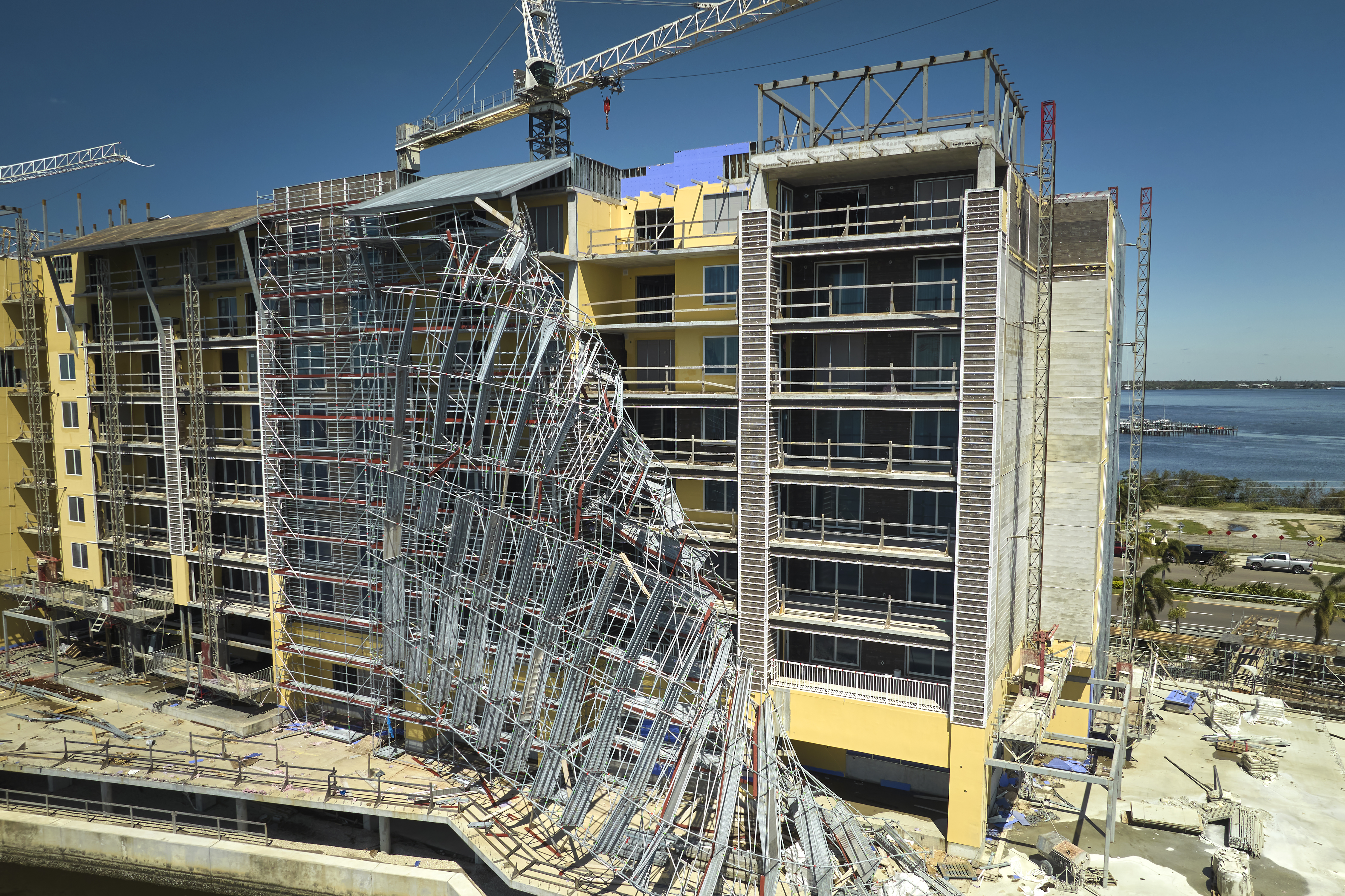
Understanding the inspection landscape in Florida is crucial. It demands precision and expertise due to its unique challenges. Let’s explore what makes Florida’s building codes distinct and why experience plays a pivotal role.
Florida’s Stringent Building Codes
Florida is known for its rigorous building codes. These rules are designed to ensure structures can withstand harsh weather conditions. Inspectors are thorough, checking everything from wind-load compliance to plumbing systems. Missing even a minor detail can lead to failed inspections.
-
Wind-load Requirements: Buildings must endure high winds, especially during hurricane season.
-
Electrical and Plumbing Standards: These systems must meet specific safety regulations to avoid hazards.
These codes are not just guidelines; they are essential for safety and longevity. Failing to comply can lead to repeating inspections, adding time and cost to your project. For more on these standards, check out this comprehensive look at Florida’s regulations.
Importance of Experience in Inspections
Why does experience matter so much? In Florida, seasoned contractors understand local nuances. They’ve navigated the intricacies of inspections countless times. They know what inspectors are looking for and how to address potential red flags before they become issues.
-
Knowledge of Common Pitfalls: Experienced professionals anticipate inspection challenges and plan accordingly.
-
Relationship with Inspectors: A history of successful projects builds trust and smooths the inspection process.
Relying on skilled contractors like Sovanic, Inc. means fewer surprises and a smoother path to approval. Discover more about the risks of ignoring these insights here.
The Hidden Costs of Failed Inspections
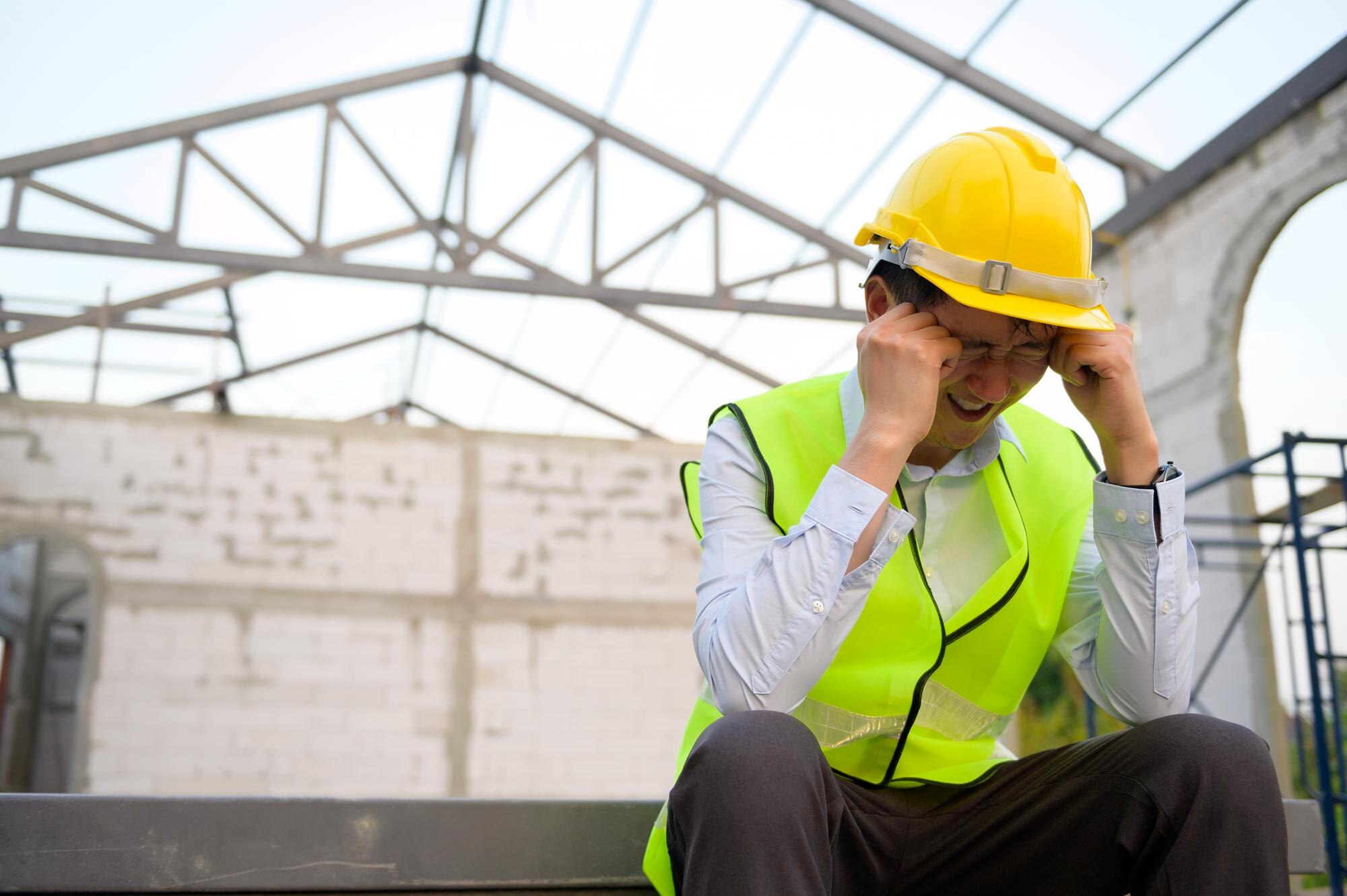
The true cost of a failed inspection goes beyond the immediate setback. It can ripple through your project timeline and budget. Here, we dig into these hidden impacts.
Delays Impacting Project Timelines
Time is money in construction. A single failed inspection can halt progress, pushing back completion dates and affecting every subsequent phase.
-
Scheduling Conflicts: Subcontractors may have other commitments, causing further delays.
-
Rework and Rescheduling: Correcting issues and waiting for re-inspection eats up valuable time.
A delay might seem minor at first, but it can escalate, affecting your project’s profitability and market readiness. When timelines shift, it impacts everything from investor confidence to revenue potential.
Financial Implications of Repeated Failures
When inspections fail repeatedly, costs add up quickly. Each reinspection means additional fees, labor costs, and material expenses.
-
Labor Costs: Workers revisiting the same tasks are not producing new work, leading to wasted wages.
-
Material Wastage: Incorrect installations often need removal, resulting in lost resources.
These financial drains can be avoided with meticulous planning and adherence to codes. The longer these issues remain unresolved, the more they chip away at your budget. For an in-depth view of these financial burdens, consider this perspective on inspection expenses.
Preventing Inspection Failures
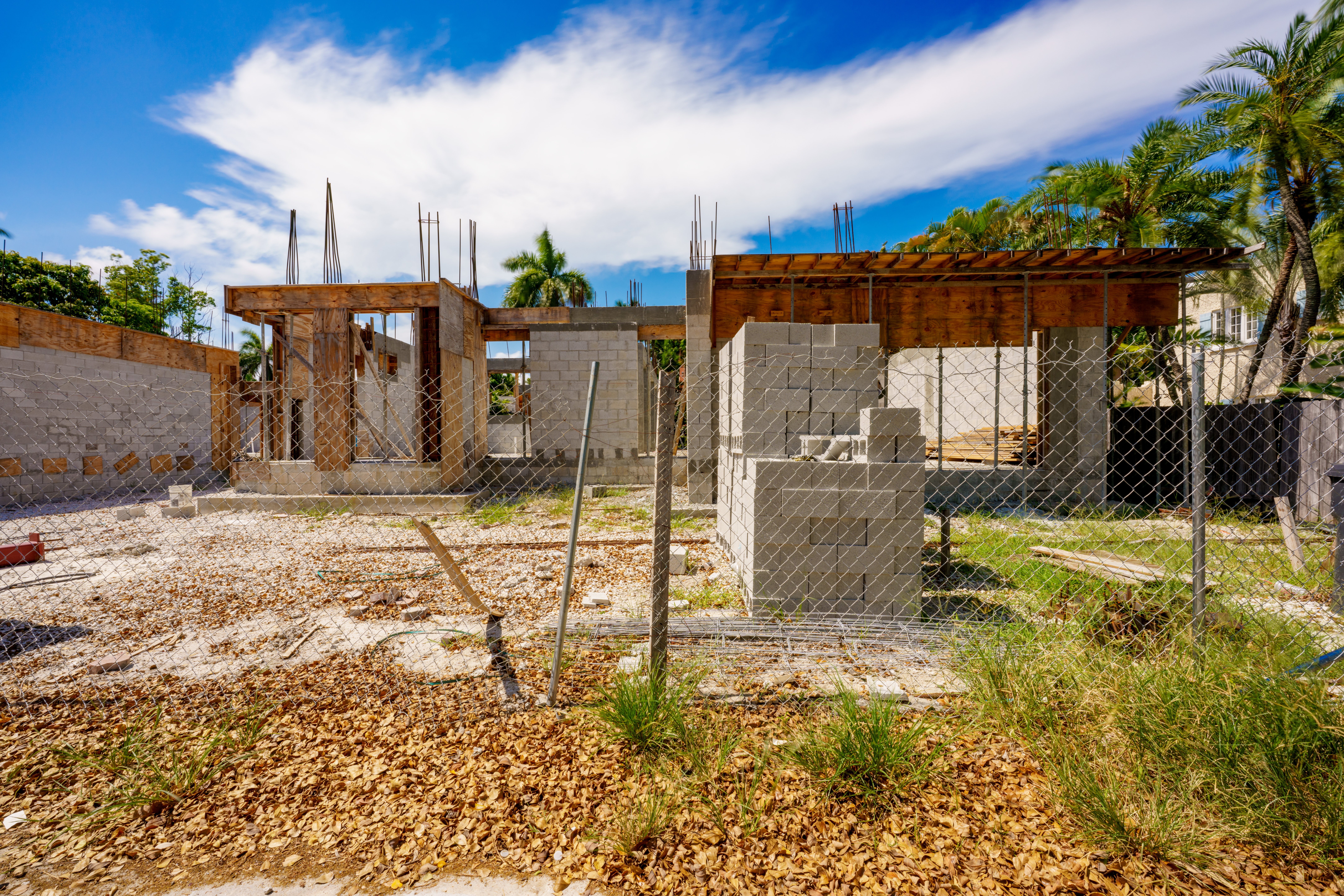
Avoiding these obstacles isn’t just about passing inspections—it’s about doing things right from the start. Let’s explore how proper planning and local expertise make all the difference.
Proper Permitting and Planning
Before construction begins, proper permitting is crucial. It sets the stage for a smooth process and prevents legal complications.
-
Thorough Research: Understand local requirements to ensure all necessary permits are acquired.
-
Clear Documentation: Keep detailed records to avoid discrepancies during inspections.
Permits are more than paperwork—they’re a proactive measure to safeguard your project. This preparation saves you from costly penalties and delays later on.
Expertise in Florida-Specific Codes
Navigating Florida’s building codes requires specialized knowledge. Working with experts who understand these unique requirements ensures compliance and efficiency.
-
Staying Updated: Regularly reviewing code updates and amendments is essential.
-
Collaborative Approach: Partnering with local engineers and architects can streamline the process.
Adopting these strategies means fewer setbacks and a greater likelihood of success. As highlighted by experts, understanding these codes is not an option—it’s a necessity.
In summary, while the cost of failed inspections can be steep, they are preventable. With Sovanic, Inc., you are choosing a partner who prioritizes meticulous planning and local expertise, ensuring your project not only meets but exceeds expectations.