
Renovate, Reconfigure, or Rebuild? A Central Florida Guide to Choosing the Right Path
Deciding between renovation, space reconfiguration, or a full rebuild can feel overwhelming. Your property’s age, structural integrity, and how well it meets today’s codes all play a role in the choice. This guide breaks down clear criteria like building code compliance Florida, MEP upgrades, and lifecycle cost analysis to help you make an informed decision. Read on to see how Sovanic Inc, a trusted Central Florida contractor, can support your next project from assessment through completion. For further reading, you might find this article helpful.
Evaluating Your Property’s Needs
Before diving into renovation or rebuild decisions, it’s crucial to start by understanding your property’s current state. This includes assessing structural integrity and ensuring compliance with relevant building codes.
Assessing Structural Integrity
Begin by examining the bones of your building. Is the structure sound? Look for signs like cracks in walls or foundations, sagging ceilings, or water damage. These can indicate deeper issues that might require more than just a cosmetic fix. A professional inspection can provide clarity, ensuring you understand the true condition of your property.
Structural assessments can also help in identifying potential areas for improvement. For instance, if you find that the foundation is weak but the framework is solid, you might only need targeted repairs. This approach can save both time and money, allowing you to focus resources where they’re truly needed.
Understanding Building Code Compliance
Compliance with building codes is non-negotiable. In Florida, specific codes address everything from hurricane resilience to energy efficiency. Ensuring your property meets these standards is crucial, not just legally but for safety and longevity. Regular updates to building codes mean older properties might fall short, requiring upgrades or modifications.
Check for any discrepancies between your current setup and state requirements. This might involve upgrading electrical systems, improving insulation, or reinforcing structures against wind damage. Knowing where you stand can guide your next steps, whether that’s a simple update or a more involved renovation.
Renovation vs Rebuild
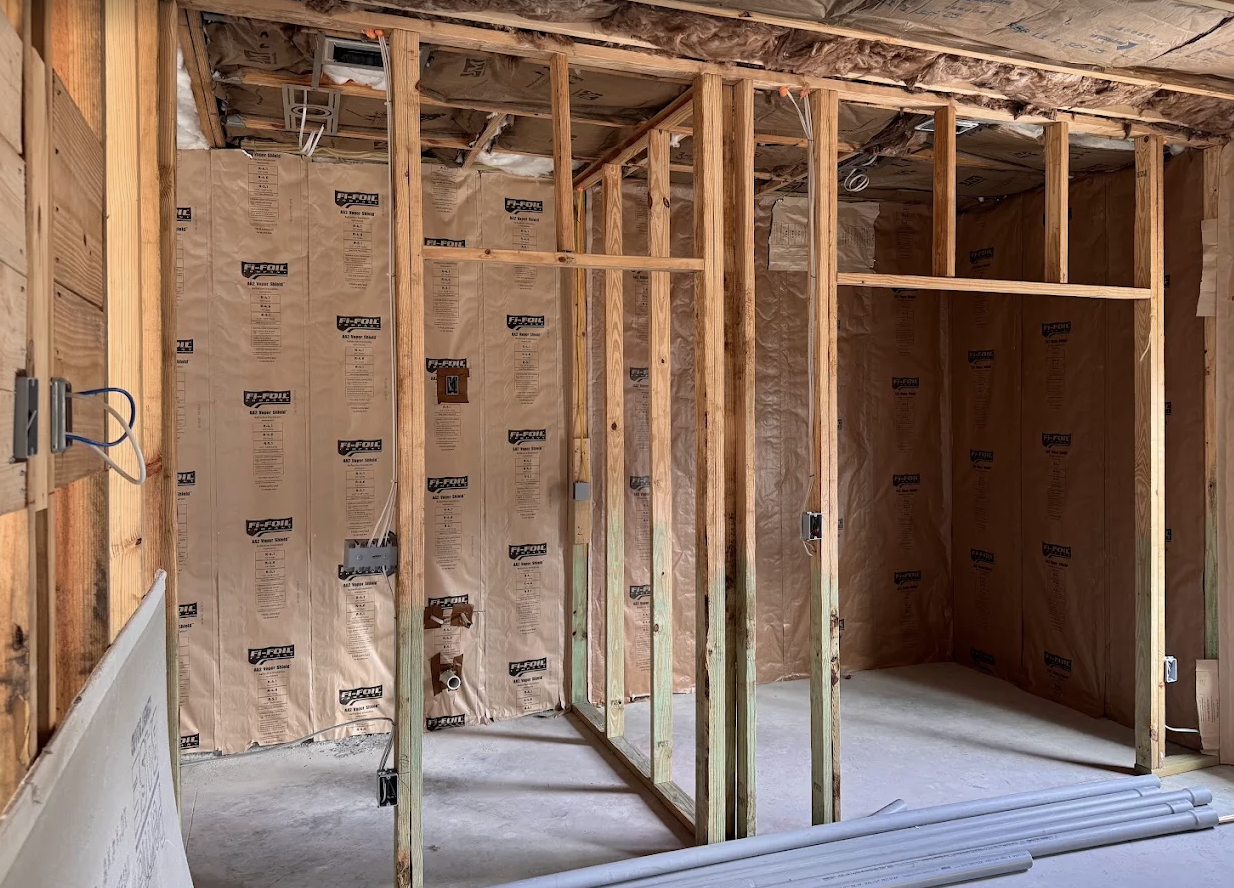
Once you have a handle on structural integrity and code compliance, it’s time to decide whether renovation or a full rebuild is the better path forward.
Key Criteria for Decision Making
Several factors influence whether you should renovate or rebuild. First, consider the costs: renovations can sometimes be more affordable, but only if they address the root issues effectively. Evaluate the lifespan of existing components. If your roofing, plumbing, and electrical systems are nearing the end of their life, a rebuild might provide longer-term value.
Next, think about your property’s potential. Does the current layout serve your needs? If extensive changes are necessary to improve functionality, starting from scratch could be more efficient. On the flip side, if the structure is sound and your needs are minor, renovating might be more practical.
Considerations for MEP Upgrades
Mechanical, electrical, and plumbing (MEP) systems are critical in both renovations and rebuilds. In older properties, these systems might need significant upgrades to meet modern standards. Consider the benefits of updated MEP systems: improved efficiency, reduced energy costs, and compliance with current standards.
For example, upgrading HVAC systems can enhance indoor air quality and reduce energy consumption. Similarly, modern plumbing solutions can prevent leaks and conserve water. Weigh these benefits against the costs to make an informed decision. For more insights, check out this discussion.
Space Reconfiguration Benefits
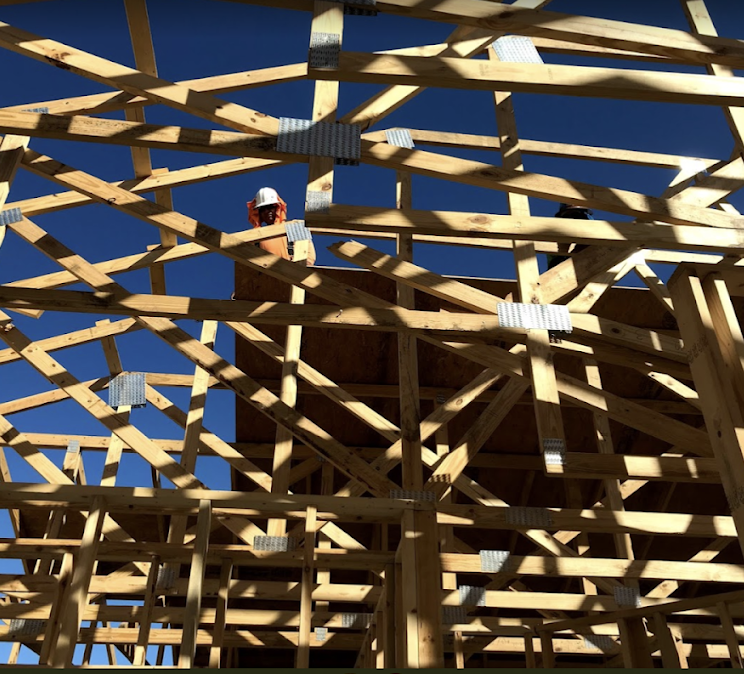
Sometimes, a simple reconfiguration can transform your space without the need for extensive renovations or rebuilding.
Enhancing Layout Efficiency
Reconfiguring your space can dramatically improve its functionality. By modifying the layout, you can enhance flow and usability. Consider open-plan designs that maximize natural light and create a sense of spaciousness. This can be especially beneficial in retail or office settings, where customer experience and employee productivity are priorities.
Think about how you use each area. Are there underutilized spaces that could serve a different purpose? For example, converting a seldom-used conference room into a collaborative workspace could foster creativity and teamwork.
Tenant Improvements and Adaptive Reuse
Adaptive reuse is a smart solution for maximizing existing properties. This involves repurposing spaces for new uses, which can be particularly advantageous for commercial landlords. Tenant improvements are a part of this strategy, allowing you to tailor spaces to meet specific tenant needs without starting from scratch.
Consider the potential for transforming a retail space into a trendy eatery or a warehouse into a modern office. These changes can increase property value and attract higher-quality tenants. For more ideas, explore this community post.
Frequently Asked Questions
What is the first step in deciding to renovate or rebuild?
Start with a thorough assessment of your property’s structural integrity and code compliance. This will inform whether a renovation or rebuild is necessary.
How do I know if my property is up to current building codes?
Consult with a local inspector or contractor who is familiar with Florida’s building codes. They can identify areas that need updates or improvements.
What are the benefits of reconfiguring space instead of a full renovation?
Reconfiguring space can be cost-effective and quickly improve functionality without extensive construction, especially if the building’s structure is sound.
When should MEP upgrades be considered?
If your property’s mechanical, electrical, and plumbing systems are outdated or inefficient, upgrading these can enhance performance and compliance with modern standards.
What is adaptive reuse, and how can it benefit my property?
Adaptive reuse involves repurposing an existing space for a new function, which can increase property value and attract diverse tenants without the need for a complete rebuild.