
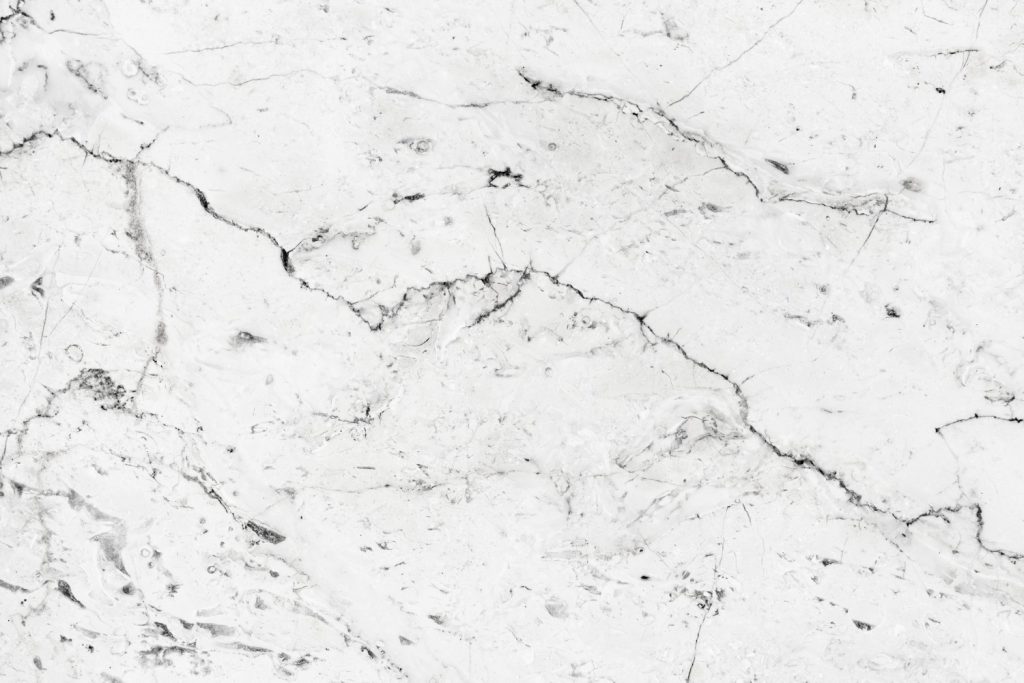
Concrete slabs, while known for their durability and strength, are not immune to cracking. In the humid and often unpredictable climate of Florida, construction professionals face unique challenges in maintaining the integrity of concrete structures.
As General Contractors in Florida since 2000, our company Sovanic, Inc. works with essential strategies to prevent cracks in concrete slabs, ensuring longevity and structural integrity.
Understanding Concrete Cracks. Cracks in concrete can be broadly categorized into two types: non- structural and structural cracks.
- Non-Structural Cracks: These cracks do not typically threaten the stability of the structure but can lead to problems like water infiltration and aesthetic Common causes include:
- Shrinkage: As concrete dries, it shrinks Inadequate control joints and rapid drying can exacerbate this shrinkage, leading to cracks.
- Thermal Expansion: In Florida’s warm climate, thermal expansion can cause concrete to crack if not properly accommodated.
- Structural Cracks: These are more serious and can compromise the integrity of the Causes include:
- Overloading: Exceeding the weight limit that a slab is engineered to support can lead to cracking.
- Settlement: Uneven settling of the ground beneath the concrete can cause stress and
cracks.
Prevention Strategies
To mitigate the risk of cracking, our company Sovanic, Inc. employs several strategies during the design, mixing, placement, and curing stages of concrete slab construction.
1. Design Considerations:
- Proper Reinforcement: Utilize steel rebar, wire mesh to reinforce the slab, which helps to distribute loads and control where cracks occur. Incorporating synthetic or natural fibers into the concrete mix can enhance its tensile strength and reduce the occurrence of micro-cracks.
- Shrinkage-Reducing Admixtures: These admixtures can be added to the concrete mix to reduce shrinkage during curing, thereby minimizing the potential for cracking.
- Post-Tensioning: This method involves tensioning high-strength steel strands within the slab after the concrete has gained strength. This technique is highly effective in controlling cracks, especially in larger slabs.
- Control Joints: Plan for control joints at strategic locations to allow for concrete movement and minimize random cracking.
2. Material Selection and Mix Design:
- Quality Aggregate: Use well-graded, quality aggregate that is suited to Florida’s
- Water-Cement Ratio: Adhere to the correct water-cement ratio to avoid excessive shrinkage. A lower ratio usually means stronger concrete.
3. Placement Techniques:
- Even Subgrade Preparation: Ensure that the ground beneath the slab is compacted and even to prevent differential settling. Our company Sovanic, Inc. always performs compaction tests (Proctor) done by a geotechnical company.
- Proper Consolidation: Use vibration or other methods to eliminate air pockets and ensure even distribution of the concrete mix.
4. Curing and Protection:
- Gradual Curing: Maintain a gradual and controlled curing Rapid drying can increase the risk of cracking.
- Temperature and Humidity Control: In Florida’s humid environment, it is crucial to monitor the temperature and humidity levels during the curing phase.
Preventing cracks in concrete slabs requires a multifaceted approach, particularly in the challenging environment of Florida. By understanding the causes of cracks and implementing these preventive strategies, our company Sovanic, Inc. can significantly reduce the likelihood of cracking, ensuring the longevity and safety of their concrete structures.