
From Storage to Showpiece: What to Consider Before Converting Unused Space in Central Florida
From Storage to Showpiece: What to Consider Before Converting Unused Space in Central Florida
Unused space in your property isn’t just wasted potential—it can become a valuable asset with the right plan. Before you start, understanding zoning rules, Florida Building Code compliance, and life safety requirements will save time and money. As a leading space conversion contractor in Central Florida, Sovanic, Inc. guides you through every step, from feasibility to final finishes, ensuring your garage conversion, ADU construction, or tenant improvement delivers the best return on investment. Let’s explore what really matters before you transform your space. For more ideas, check out this article.
Understanding Feasibility and Zoning
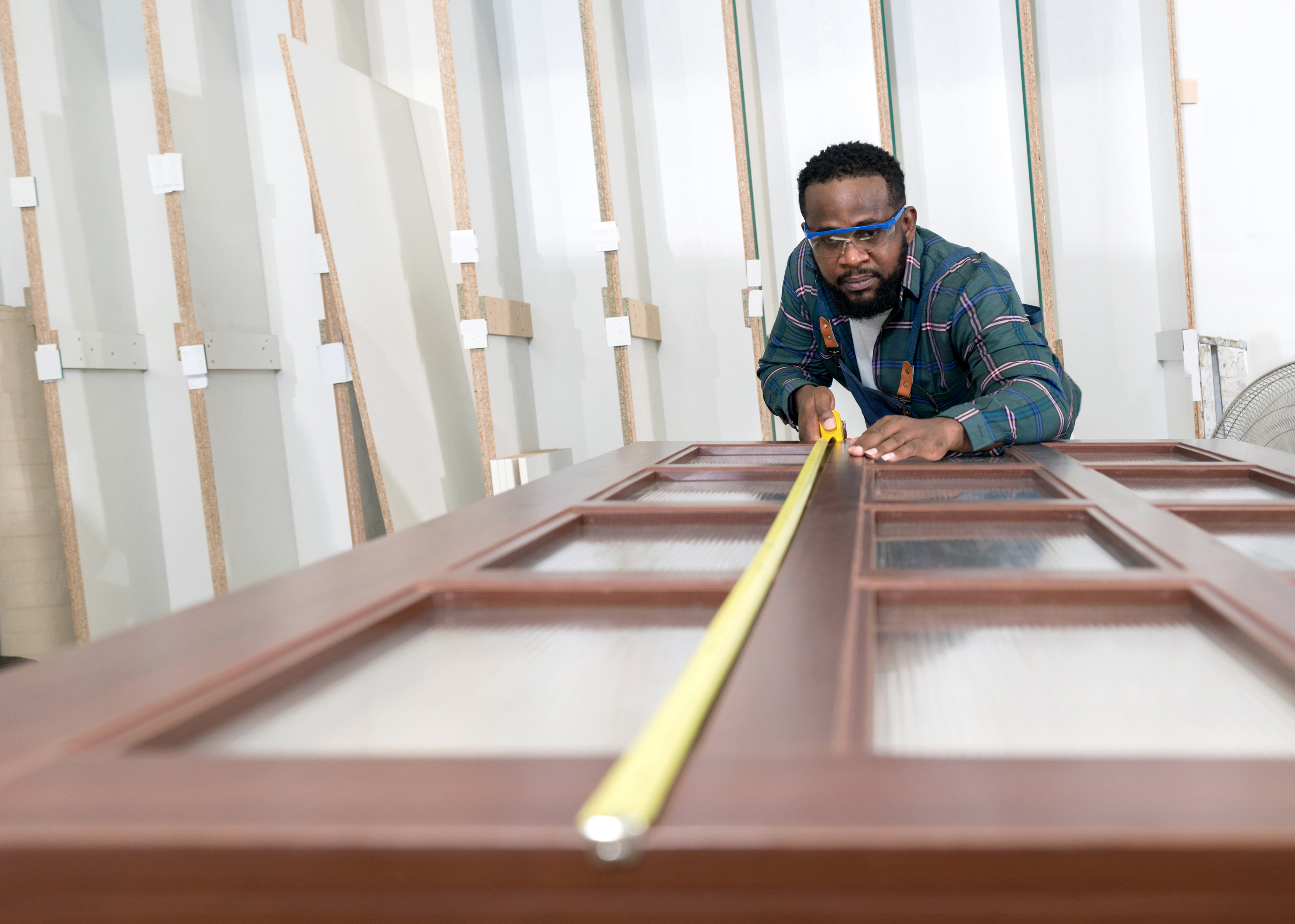
Before jumping into a project, it’s vital to assess if your space is suitable for conversion. Feasibility and zoning are key factors that can make or break your plans.
Assessing Space Conversion Feasibility
When considering a conversion, the first step is understanding what your space can become. Not every room is fit for every purpose. Start by looking at the structural integrity of the area. Is the foundation strong enough for the changes you envision? Think about the electrical and plumbing systems too. Are they capable of supporting new uses? You might need to consult with a professional, such as a space conversion contractor Central Florida trusts, who can evaluate your property’s potential. They will point out any hidden obstacles that could affect the project’s success. Remember, the sooner you identify challenges, the easier they are to address.
Navigating Zoning and Change-of-Use
Zoning laws determine what you can legally do with your property. Ignoring them can lead to fines or project shutdowns. So, check the local zoning regulations before starting any work. Are you in a residential, commercial, or mixed-use zone? Each has different rules. For example, garage conversion Orlando projects must align with specific local guidelines. You might need a change-of-use permit to move forward. This process can be tricky, so having a knowledgeable partner like Sovanic, Inc. can be invaluable. They can guide you through the legal maze, ensuring a smooth transition from planning to construction.
Evaluating ROI for Renovations
Investing in a renovation can boost your property’s value, but only if done wisely. To calculate your return on investment (ROI), consider both the costs and potential benefits. What will the conversion cost upfront? Include materials, labor, permits, and unexpected expenses. Then, estimate the new value of your property post-renovation. Will the change attract higher-paying tenants or increase your selling price? A successful space conversion can significantly enhance your property’s market appeal. If you’re in Tampa, a tenant improvement contractor can provide insights into maximizing your ROI. The key is to balance initial costs with long-term gains.
Compliance and Safety Considerations
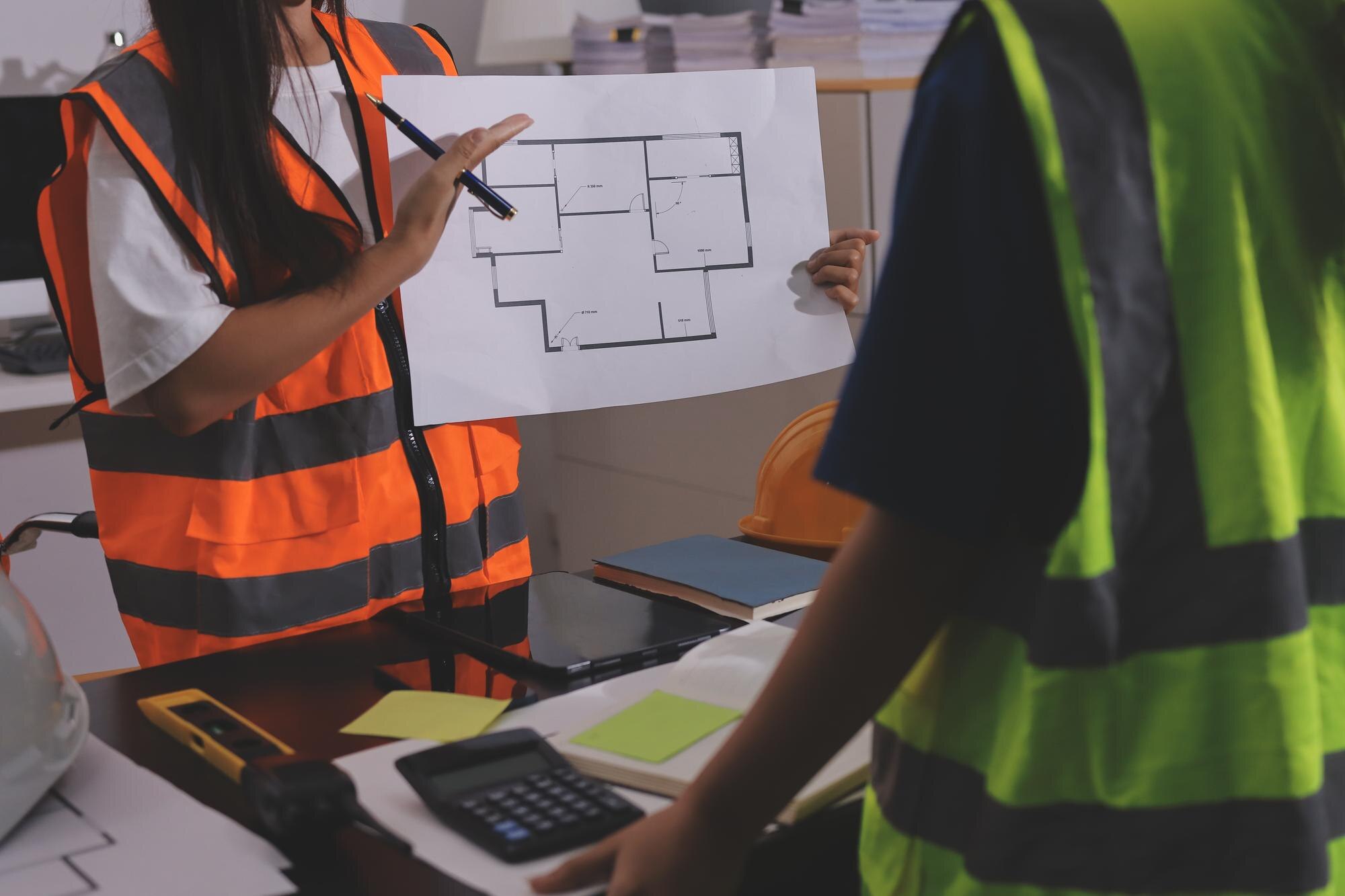
Once feasibility and zoning are clear, compliance and safety come next. These are non-negotiable to ensure the well-being of future occupants.
Florida Building Code Compliance
The Florida Building Code sets the standards for construction. It’s essential to understand these guidelines to ensure your project is legal and safe. Violations can lead to hefty fines and project delays. For instance, ADU construction in Florida requires adherence to strict regulations about structural integrity, energy efficiency, and hurricane resistance. Partnering with a construction expert familiar with these codes can make the process more manageable. They’ll offer insights into meeting standards while keeping your vision intact.
ADA Accessibility Requirements
Creating a space that everyone can use is not just courteous but often required by law. ADA accessibility requirements ensure that people with disabilities can navigate your space with ease. This might involve installing ramps, widening doorways, or adjusting bathroom layouts. Meeting these standards can increase your property’s appeal to a broader audience. In Orlando and Tampa, permitting experts can help navigate the specifics of ADA compliance, ensuring your project meets all necessary criteria.
Fire Separation and Egress
Safety should never be an afterthought. Proper fire separation and egress routes are crucial for any space. This involves creating barriers that prevent the spread of fire and planning safe exits for occupants. Fire codes dictate specific requirements for both residential and commercial spaces. A construction partner can help design these elements effectively. They will ensure your project not only meets legal standards but also prioritizes the safety of everyone who uses the space.
Addressing Structural and Mechanical Needs
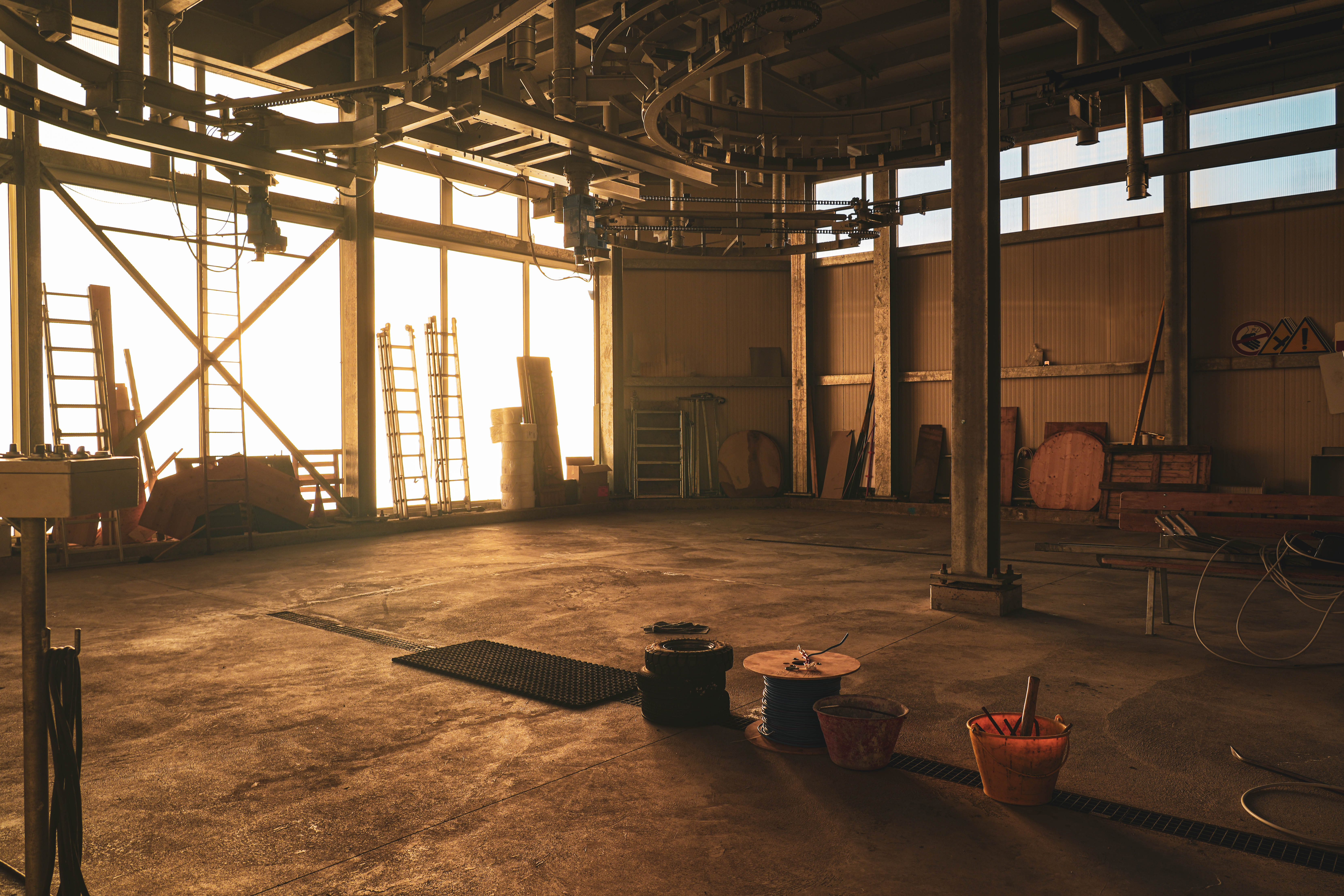
With compliance handled, focus on the structural and mechanical aspects. These elements ensure the long-term functionality and comfort of your space.
HVAC and Dehumidification Florida
Florida’s climate demands efficient heating, ventilation, and air conditioning (HVAC) systems. Proper dehumidification is also essential to combat humidity. Without this, your space could suffer from mold and moisture issues. An expert can help design a system tailored to your conversion needs. They will consider the size and use of the new space, ensuring a comfortable environment year-round. Remember, a well-designed HVAC system contributes to energy efficiency and occupant satisfaction.
Moisture Control and Mold Prevention
Moisture control is critical in preventing mold, which can damage your property and harm health. Start with a thorough inspection to identify current issues. Use moisture-resistant materials during construction to minimize risk. Regular maintenance checks can catch problems early. Implementing these measures helps protect your investment and ensures a safe, healthy space for all users.
Energy-Efficient Retrofits and Upgrades
Converting a space is an opportunity to enhance its energy efficiency. Consider retrofits that reduce energy consumption, such as LED lighting, energy-efficient windows, or improved insulation. These upgrades can lower utility bills and make your property more attractive to eco-conscious buyers. They might also qualify for tax incentives, further boosting your ROI. Consult with a design-build contractor in Central Florida to explore the best options for your project. They can guide you in selecting upgrades that offer the most substantial benefits.