
Florida-Proof Construction: How to Choose Materials That Beat Heat, Humidity, and Hurricanes
Florida’s heat, humidity, and hurricane risks demand more than just standard building materials. If your project isn’t designed with the Florida Building Code and hurricane-resistant materials in mind, you’re setting yourself up for costly repairs and downtime. In this guide, you’ll learn how to select lasting products like impact windows and doors, fiber cement siding, and corrosion-resistant fasteners that stand strong through storms and seasons. Ready to Florida-proof your project? Request a consultation with Sovanic, Inc. and get expert guidance every step of the way.
Choosing Durable Roofing Materials
When building in Florida, roofing materials must withstand the intense heat and unpredictable storms. Here’s how to choose the best options for your project.
Metal Roofing Florida Advantages
Metal roofs are a smart choice for Florida homes because they stand up to severe weather conditions. Their durability is especially important when facing hurricane-force winds. Metal roofing reflects sunlight, helping reduce cooling costs. They also last longer than traditional shingles, making them a cost-effective option over time. If you plan on living in your home for many years, a metal roof can save you money in the long run.
TPO and PVC Roofing Options
TPO (Thermoplastic Olefin) and PVC (Polyvinyl Chloride) roofing systems offer excellent protection against Florida’s harsh climate. These materials are resistant to UV rays, which is crucial here. TPO and PVC roofs are energy-efficient and help reduce heat absorption. This is beneficial for businesses looking to cut down on energy costs. In a warm place like Florida, keeping cool is vital, and these materials help do just that.
Peel-and-Stick Underlayment Benefits
For an extra layer of protection, consider peel-and-stick underlayment. It acts as a secondary water barrier, helping prevent leaks during heavy rainstorms. This underlayment adheres directly to the roof deck, providing a strong seal against moisture. It can also help reduce noise from rain and wind, making your home quieter during storms. Adding this protection can give you peace of mind during hurricane season.
Wall Systems for Florida’s Climate
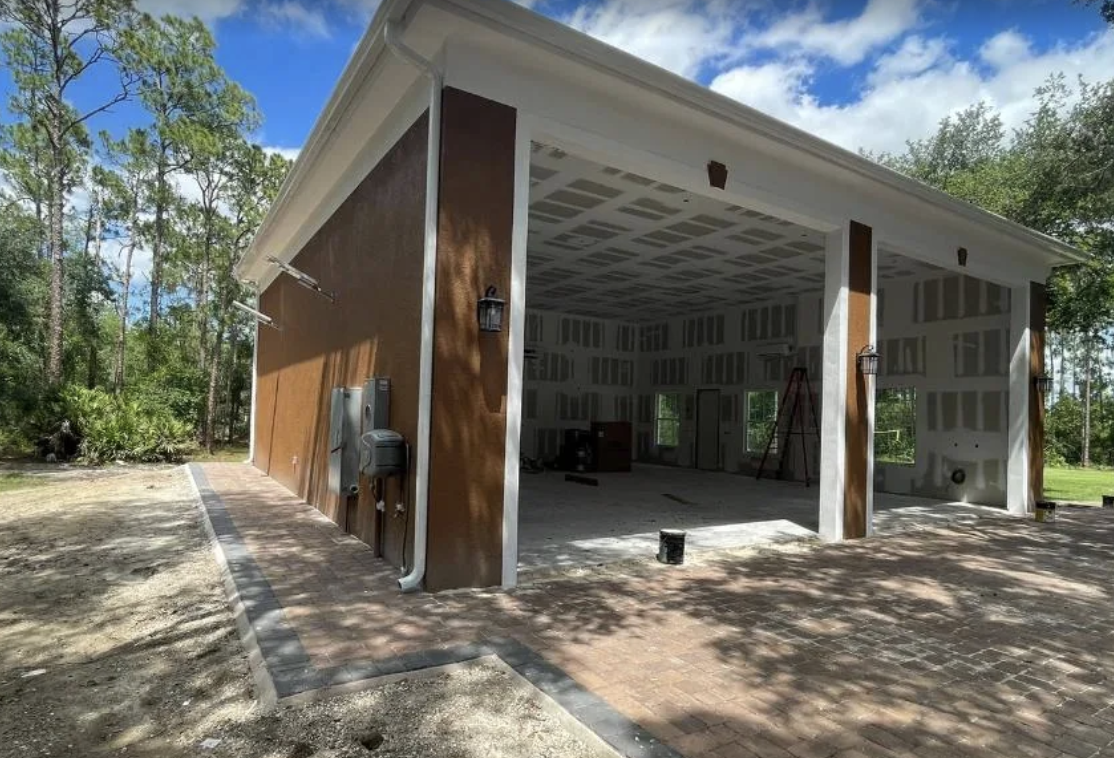
Walls in Florida need to manage both moisture and heat effectively. Choose materials that will keep your building strong and dry.
CMU Block Construction Benefits
CMU (Concrete Masonry Unit) blocks provide strength and stability, making them ideal for Florida’s climate. They can withstand high wind pressures, which is crucial during storms. Additionally, CMU blocks offer excellent fire resistance. This makes them a safe choice for homeowners and businesses alike. In a state where safety is a top priority, CMU construction is a reliable option.
Fiber Cement Siding Florida Applications
Fiber cement siding is a popular choice in Florida due to its durability and resistance to pests and rot. This material doesn’t warp or swell in humid weather, maintaining its appearance over time. Fiber cement siding can mimic the look of wood without the maintenance. It also provides a layer of protection against the elements, making it a wise investment for homeowners.
Moisture Management with Rainscreens
Rainscreens help manage moisture by allowing air to flow behind siding, which prevents mold and rot. This system keeps walls dry and extends the lifespan of siding materials. Proper moisture management is vital in a humid place like Florida. With rainscreens, you can ensure your building remains resilient and free from water damage.
Impact Protection and Energy Efficiency
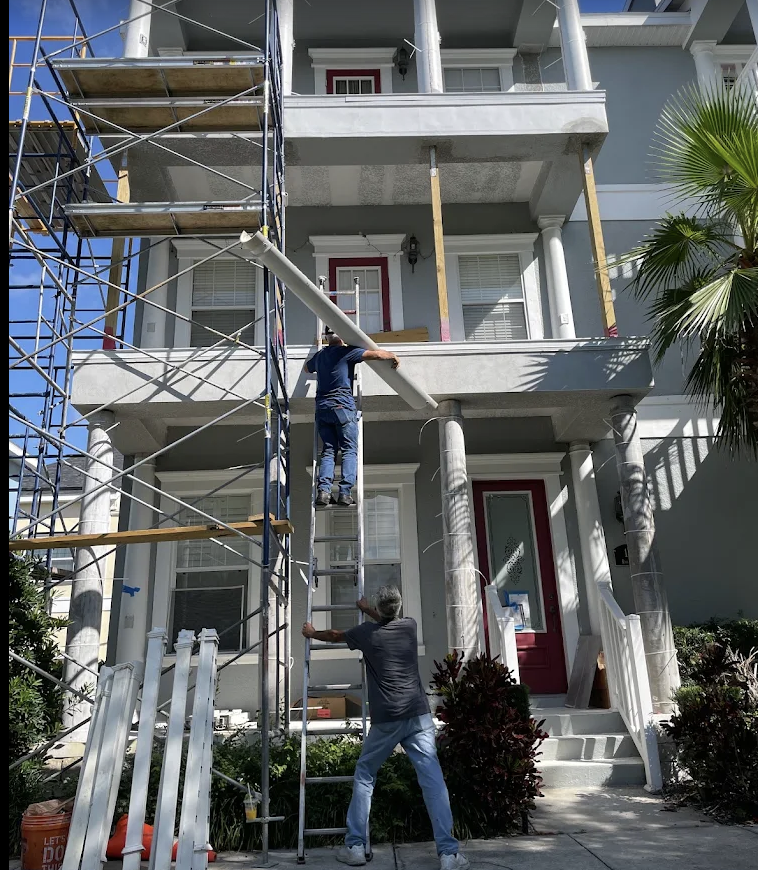
Protecting your home from storms and keeping it energy-efficient is essential in Florida. Here are some effective solutions.
Miami-Dade NOA Impact Windows and Doors
Impact windows and doors are crucial for hurricane protection. The Miami-Dade NOA certification ensures they meet rigorous standards. These windows and doors can withstand strong winds and flying debris. They also improve security and reduce noise, offering multiple benefits. In storm-prone areas, having certified impact protection is a must.
Low-e Impact Glass for Energy Savings
Low-e impact glass offers the dual benefit of storm protection and energy efficiency. This glass helps keep out heat while letting in light, reducing your cooling costs. By choosing low-e glass, you can make your home more comfortable and save on energy bills. It’s a smart investment for any Florida homeowner.
Corrosion-Resistant Fasteners and Hardware
Using corrosion-resistant fasteners and hardware is essential in Florida’s humid climate. Stainless steel and other corrosion-resistant materials prevent rust, ensuring the longevity of your home. These fasteners provide a strong hold during storms, keeping your building secure. In coastal areas, where salt air accelerates corrosion, this choice is particularly important.
Frequently Asked Questions
What are the best roofing materials for Florida weather?
Metal roofing, TPO, and PVC are top choices due to their durability and energy efficiency. They withstand high winds and reduce heat absorption, making them ideal for Florida’s climate.
How can I protect my home from hurricanes in Florida?
Installing impact windows and doors with Miami-Dade NOA certification is crucial. These provide protection against strong winds and debris, ensuring your home’s safety during storms.
Why is moisture management important in Florida construction?
Florida’s humidity can lead to mold and rot if not managed properly. Using materials like rainscreens allows air circulation behind siding, keeping walls dry and prolonging their lifespan.
What materials help reduce energy costs in Florida homes?
Low-e impact glass and metal roofing can help lower energy bills by reflecting heat and reducing cooling needs. These materials are both energy-efficient and provide storm protection.
Why are corrosion-resistant fasteners necessary in Florida?
The humid and salty air in Florida accelerates corrosion. Using stainless steel or other resistant materials ensures the longevity of your construction, especially in coastal areas.