
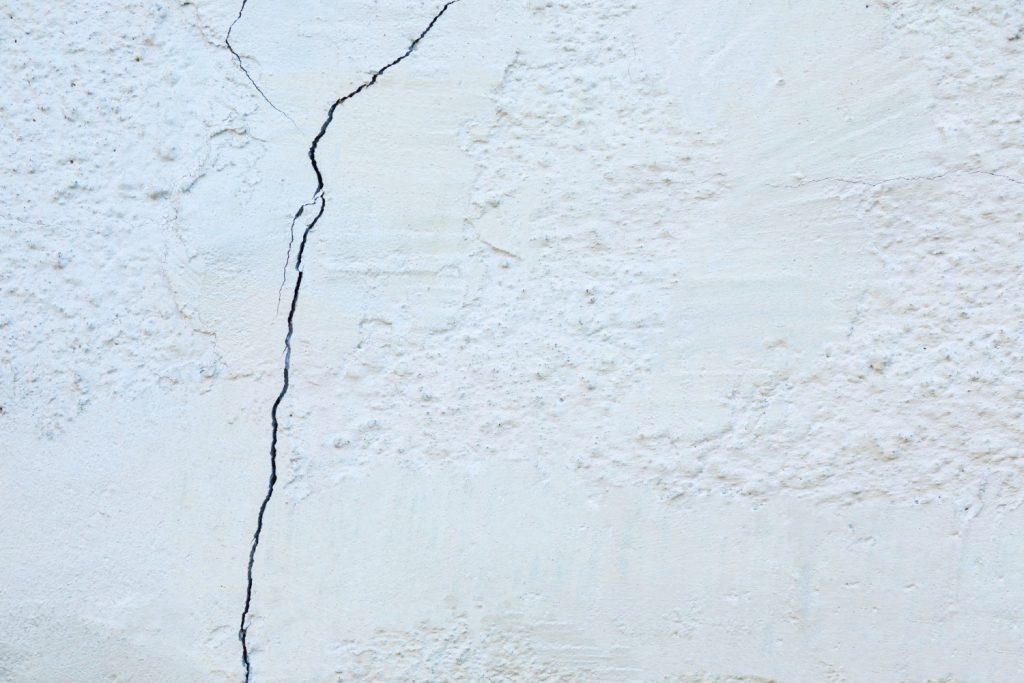
At Sovanic, Inc., as a construction company commited to quality and durability, we often field questions about exterior stucco finishes. Stucco is a widely used building material that adds both aesthetic and functional value to your property. Its robust nature provides good insulation and stands up well to the Florida climate. However, like all building materials, stucco is not entirely without its vulnerabilities—one of which is cracking.
In this blog post, we will discuss why cracks in exterior stucco happen, how to avoid them, and steps for effective repair should they occur.
Why Do Cracks in Exterior Stucco Occur?
There are multiple reasons why cracks in stucco can appear:
• Shifting Foundation: Even minor movements in a building’s foundation can lead to cracks in the
stucco.
• Weather Conditions: Temperature fluctuations can cause stucco to expand and contract, leading to cracks over time.
• Poor Installation: If stucco is not mixed or applied correctly, it may be prone to cracking.
• Age: Like any material, stucco deteriorates over time. Old stucco is more likely to crack than newer installations.
• Water Intrusion: Improperly sealed stucco can allow water to penetrate, weakening the material and causing cracks.
How to Avoid Cracks in Exterior Stucco
• Proper Installation: The most effective way to prevent cracks is to hire a professional team experienced in stucco installation. The right mix, layering technique, and curing process are crucial.
• Quality Materials: Always use high-quality stucco and sealants to ensure durability.
• Regular Inspection: Keep an eye out for early signs of cracking or other damage so you can deal with them before they become severe.
• Adequate Sealing: Make sure that all windows, doors, and other joints are properly sealed to prevent water intrusion.
• Routine Maintenance: Clean and repaint your stucco periodically to maintain its integrity.
How to Fix and Repair Cracks in Exterior Stucco
Minor Cracks
• Clean the Area: Remove any loose stucco and debris from around the crack.
• Apply Caulk: Use a high-quality exterior caulking material to fill in the crack.
• Smooth and Paint: Once the caulk is dry, smooth it out with sandpaper and apply a coat of paint to match the existing stucco.
Major Cracks
• Consult a Professional: For larger cracks, it’s crucial to consult a professional to assess the underlying issue. This is often a symptom of a more serious problem like a shifting foundation or water damage.
• Remove Damaged Stucco: The cracked area will likely need to be removed and replaced entirely.
• Repair Underlying Issues: Before new stucco is applied, any underlying issues must be addressed to prevent future cracks.
• Reapply Stucco: Apply a new layer of stucco, taking care to follow all best practices for mixing, layering, and curing.
• Seal and Paint: Finally, seal the new stucco and paint to match the existing exterior.
Stucco is a fantastic building material, but like anything else, it requires proper installation and maintenance to keep it in top condition. By understanding the reasons behind stucco cracks and taking proactive measures, you can extend the life and beauty of your stucco exterior.
For professional stucco inspection, repair, or installation, don’t hesitate to reach out to us at Sovanic, Inc. With 23 years of experience in Florida and a commitment to excellence, we can help ensure your stucco stands the test of time.
Disclaimer: This blog is for informational purposes only and should not replace professional advice for specific construction issues.