
Building for Florida: Smart Material Choices for Heat, Humidity, and Storms
Choosing the right materials for Florida’s heat, humidity, and storms is more complex than many realize. If your building isn’t prepared for relentless UV rays, moisture, or hurricane-force winds, repairs and replacements can quickly drain your budget. In this post, you’ll learn how to select Florida Building Code materials that stand up to these challenges, while keeping your project on time and within budget. Let’s get started with what every property owner and developer in Central Florida needs to know.
Florida’s Climate Challenges
Living in Florida means your building faces some of nature’s toughest tests. From scorching heat to heavy storms, each element demands attention. Knowing these challenges helps you pick materials that stand the test of time.
Heat and UV Impact
Florida’s sun can be relentless. UV rays take a toll on building exteriors, causing materials to fade and deteriorate. For any building, especially in places like Central Florida, protection from this harsh sunlight is key. You need materials designed to withstand UV exposure without losing their integrity. Over time, choosing the right materials can save you from frequent repairs and replacements.
Heat also increases energy costs. Buildings can quickly become ovens without proper insulation and reflective surfaces. By selecting roofing materials that reflect more sunlight, you can keep indoor temperatures down. This means lower energy bills and a more comfortable environment year-round. Keep in mind, the initial cost of these materials often pays off in long-term savings.
Humidity and Mold Concerns
Florida’s high humidity levels can lead to mold problems if not properly managed. Mold not only damages structures but can also pose health risks. To combat this, it’s crucial to use mold-resistant materials. Drywall and paints are available that resist mold, helping you maintain a healthy indoor environment.
Ventilation plays a vital role here as well. Ensuring your building has adequate airflow reduces moisture buildup. Consider materials and designs that promote ventilation, keeping the indoor space dry and mold-free. This proactive approach will enhance the durability of your structure.
Storms and Wind Resistance
Storms in Florida aren’t just about rain; they’re about powerful winds that can cause severe damage. Buildings need to be fortified against wind to prevent catastrophic failures. Choosing materials that meet or exceed local wind load requirements is essential.
Impact resistance is also critical. Windows and doors should be able to withstand flying debris during a storm. Look for products specifically designed for hurricane-prone areas. Investing in these materials ensures your building remains intact when storms hit, providing safety and peace of mind.
Smart Material Selection
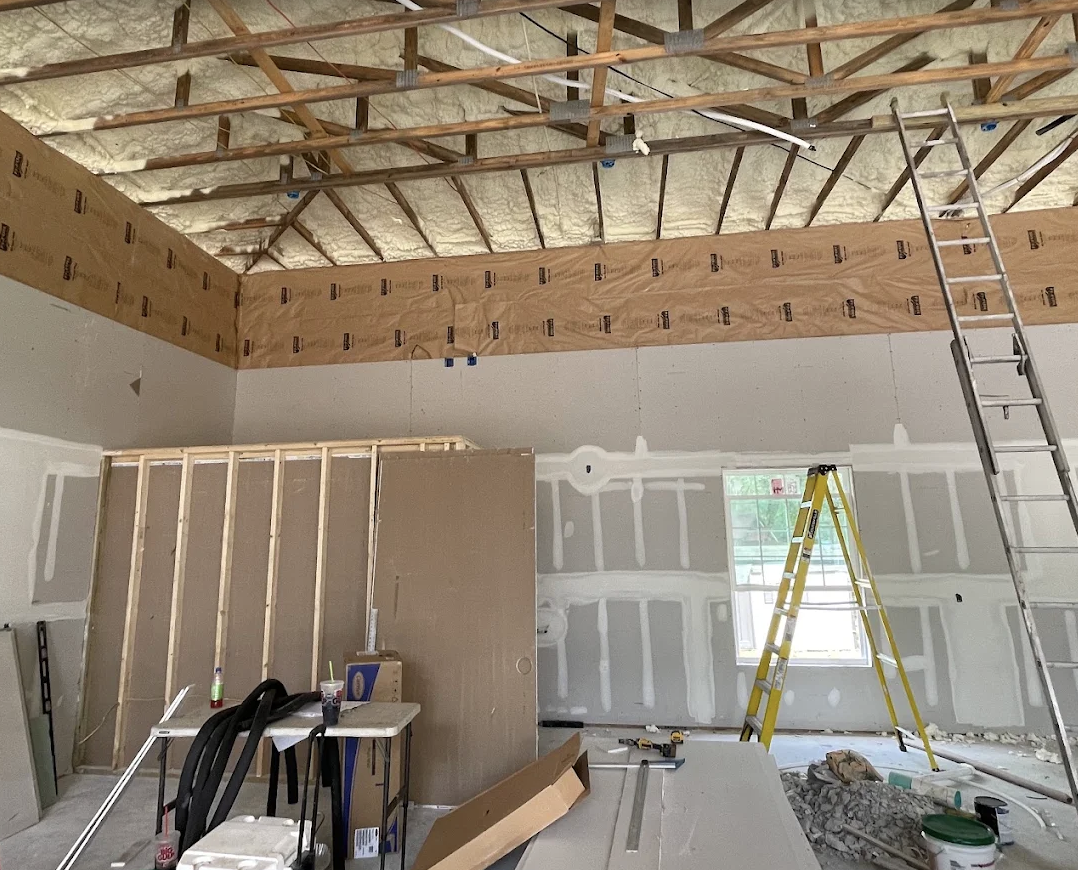
Choosing the right materials is not just about meeting standards; it’s about exceeding them for long-term benefits. Let’s dive into what makes a smart choice.
Choosing UV-Resistant Roofing
One of the best defenses against Florida’s sun is UV-resistant roofing. These materials reflect sunlight, reducing heat absorption. This not only protects the roof but also helps in keeping the building cooler.
There are various options, including cool roof coatings and reflective shingles. These materials can extend the life of your roof while saving on cooling costs. When selecting roofing, consider both material longevity and energy efficiency to ensure you make the most informed decision.
Metal Roofing for Florida
Metal roofing is another excellent choice for Florida. Known for its durability, metal can withstand harsh weather conditions, including high winds and heavy rain. It’s also fire-resistant, adding an extra layer of safety.
Beyond durability, metal roofing is eco-friendly. Many options are made from recycled materials and can be recycled again at the end of their life. This sustainability, combined with reduced energy costs due to its reflective properties, makes metal roofing a smart choice for any Florida structure.
Moisture Barriers and Vapor Retarders
Protecting against moisture starts with the right barriers. Moisture barriers prevent water from seeping into your building, while vapor retarders control moisture movement in walls and floors. These elements are crucial in preventing mold growth and structural damage.
When selecting barriers and retarders, look for products specifically designed for humid climates. Proper installation is key; even the best materials can fail if not installed correctly. This investment helps preserve your building’s integrity, ensuring longevity in a challenging climate.
Resilient Building Systems

Building systems need to be as tough as the materials used. Here are systems that help your building resist Florida’s unique challenges.
Impact Windows and Doors
Impact windows and doors are essential in hurricane-prone areas. These products are designed to withstand wind pressure and flying debris. They offer security and peace of mind, knowing that your building is protected from storm-related damage.
These windows and doors also improve energy efficiency. They provide better insulation, which can lead to lower energy costs. Investing in impact-resistant options is not just a safety measure but also an economic one, providing long-term savings and protection.
Corrosion-Resistant Fasteners
In Florida, corrosion is a constant threat due to salty air, especially near the coast. Using corrosion-resistant fasteners ensures your structure remains secure over the years. Stainless steel, particularly grade 316, is a popular choice for its superior resistance to rust.
These fasteners are crucial for maintaining the strength and safety of your building. When considering materials, don’t overlook the small components. They play a big role in the overall durability of your structure.
Waterproofing and Flashing Techniques
Ensuring your building is watertight is crucial in a state known for heavy rainfall. Proper waterproofing and flashing prevent water intrusion, protecting your building from leaks and damage.
Flashing directs water away from vulnerable areas, such as windows and doors. Pairing flashing with quality waterproofing materials creates a robust barrier against moisture. This combination is vital for maintaining the integrity of your building, especially during Florida’s rainy season.
Frequently Asked Questions
What roofing materials are best for Florida’s climate?
For Florida, UV-resistant roofing and metal roofs are excellent choices. They offer durability against the sun and storms. These materials also help in reducing energy costs due to their reflective properties.
How can I prevent mold in a humid climate like Florida?
Using mold-resistant materials and ensuring proper ventilation are key. Moisture barriers and vapor retarders also help in preventing mold by controlling moisture levels within the building.
Why are impact windows and doors important in Florida?
Impact windows and doors protect your building from storm damage, particularly from hurricanes. They withstand high winds and debris, offering both safety and energy efficiency.
By carefully selecting materials suited to Florida’s climate, you can ensure that your building remains strong, safe, and efficient for years to come.