
Before You Move a Wall: What Central Florida Property Owners Should Know About Layout, Function, and Long‑Term Value
Before you decide to move a wall, there’s more at stake than just changing your space. Every layout shift or function change affects safety, costs, schedules, and the long-term value of your property. As a seasoned Central Florida general contractor, we guide you through critical code requirements, design challenges, and construction details to protect your investment. Keep reading to learn what you must consider before starting your next project. Learn more about effective renovation project management here.
Planning for Layout Changes
Reconfiguring your space involves more than just moving walls. You need to consider several factors to protect your property’s value and ensure safety. Let’s explore these essential elements.
Understanding Building Codes
Navigating building codes is crucial when altering your layout. These rules ensure your project’s safety and compliance. In Florida, you must follow state-specific regulations. This might seem tedious, but it keeps your project on track. Missing a code requirement can delay your schedule and increase costs. Always check for updates and consult professionals to avoid pitfalls. Remember, knowing the codes upfront saves you time and money in the long run.
Budgeting for Long-Term Value
Budgeting wisely can enhance your property’s value. Begin by setting a realistic budget that accounts for unexpected expenses. The key is balancing immediate costs with long-term benefits. For instance, a well-planned renovation can increase your property’s market value significantly. Studies show that quality renovations can boost resale value by 15-20%. Invest in durable materials and skilled workmanship to ensure your investment pays off over time.
Safety and Structural Considerations
Safety should be your top priority when planning layout changes. Structural integrity is vital, especially in areas prone to natural disasters like hurricanes. Florida’s building codes often address these concerns, so compliance is non-negotiable. Consulting with structural engineers can provide peace of mind. They help pinpoint potential risks and suggest solutions. Ensuring your project’s safety not only protects your property but also safeguards its occupants.
Functional Changes and Compliance
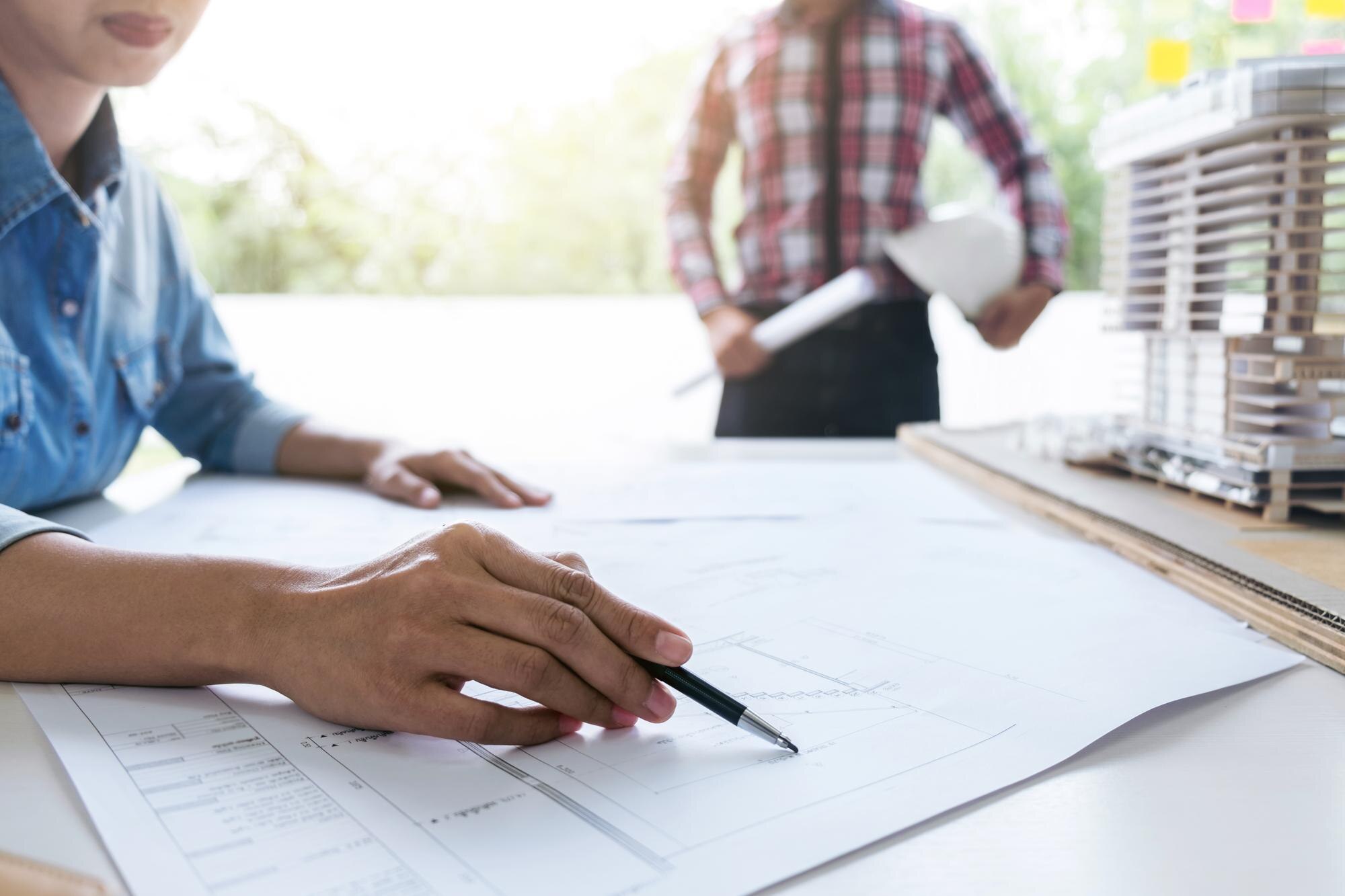
Once the layout is settled, consider how your new space will function. This is where compliance and upgrades come into play, ensuring your space meets modern standards.
MEP Upgrades and ADA Compliance
Modernizing your Mechanical, Electrical, and Plumbing (MEP) systems is essential for functionality. Upgrades can lead to significant efficiency gains and compliance with current standards. Additionally, adhering to ADA regulations ensures accessibility for all. This might include wider doorways or accessible restrooms. Making these changes not only complies with laws but also broadens your property’s appeal. Improved MEP systems can reduce energy costs, while ADA features enhance inclusivity.
Change of Use and Occupancy
Altering the function or occupancy of a space isn’t as simple as repurposing a room. It involves understanding zoning laws and acquiring the necessary permits. This is vital in Florida, where zoning laws are stringent. A change of use might require structural modifications to meet safety codes. For example, converting a residential space into a commercial one demands compliance with commercial building codes. Proper planning can prevent costly delays and legal issues.
Energy-Efficient Building Solutions
Energy efficiency is not just a trend; it’s a necessity. Implementing energy-efficient solutions can significantly reduce utility bills. Consider adding insulation, energy-efficient windows, or solar panels. These improvements can cut energy costs by up to 30%. Not only do they save money, but they also increase property value and appeal to eco-conscious buyers.
Selecting the Right Contractor

Choosing the right contractor is crucial for your project’s success. The right partner will guide you from planning to completion, ensuring quality and adherence to your vision.
Choosing a Central Florida General Contractor
Selecting a local contractor familiar with Florida’s unique building challenges is beneficial. A Central Florida general contractor offers expertise tailored to regional requirements. They understand local building codes, weather conditions, and sourcing materials. A local expert can also provide valuable insights into maximizing your property’s potential.
Benefits of a Design-Build Contractor
Opting for a design-build contractor streamlines your project. This approach integrates design and construction under one roof, simplifying communication and decision-making. It minimizes conflicts and accelerates timelines. With a design-build contractor, you gain a cohesive team working towards a unified vision. This synergy can lead to smoother project execution and enhanced outcomes.
Importance of Preconstruction Planning
Preconstruction planning lays the groundwork for success. It involves detailed assessments and strategy formulation before breaking ground. This phase identifies potential challenges and sets realistic timelines and budgets. Effective preconstruction planning prevents surprises during construction, saving time and money. It’s an essential step that ensures your project is well-planned and executed.
In summary, reconfiguring your space requires careful planning and expert guidance. From understanding building codes to selecting the right contractor, each step impacts your project’s success. By prioritizing safety, compliance, and quality, you protect your investment and enhance your property’s long-term value.