
Before You Build an ADU in Central Florida: Permits, Design, Budget, and ROI
Building an ADU in Central Florida isn’t just about adding space—it’s about navigating permits, design choices, and budgets that fit your goals. Many homeowners underestimate the impact of zoning and setbacks in Orlando or Tampa, which can stall projects before they start. In this guide, you’ll get clear insights on legal living space conversion and how to plan for a smooth build that protects your investment and adds value. For more information on accessory dwelling units, you can check this resource.
Understanding Florida ADU Permits
Building an ADU in Central Florida requires understanding local rules. This section will help you navigate zoning and permits to avoid common pitfalls.
Navigating Zoning and Setbacks
Zoning and setbacks are crucial. They dictate where and how you can build your ADU. In Central Florida, zoning restrictions vary by city. For instance, in Orlando, setbacks often limit placement near property lines. Ignoring these rules can lead to costly delays. Always check your city’s zoning requirements before you start planning. You might be surprised how these rules impact your project.
Researching local zoning laws in Tampa or Orlando is a good first step. This knowledge ensures your plans align with city regulations. Additionally, understanding lot size limitations can help. Some areas require a minimum lot size for ADUs. Knowing these details early saves you from future headaches.
Permit Requirements for ADUs
Getting the right permits is essential. Without them, your ADU project might face legal issues. In Florida, you’ll need permits for both new builds and garage conversions. The process can seem complex, but it’s manageable with the right guide. First, submit your plans to the local building department. They check for compliance with safety codes.
Permit costs vary by location and project size. Plan your budget to include these fees. Additionally, remember that inspections are a part of this process. They ensure your ADU meets all building codes. By preparing for permits and inspections early, you streamline your project timeline. For a deeper dive into permit requirements, explore this comprehensive guide.
Designing and Budgeting Your ADU
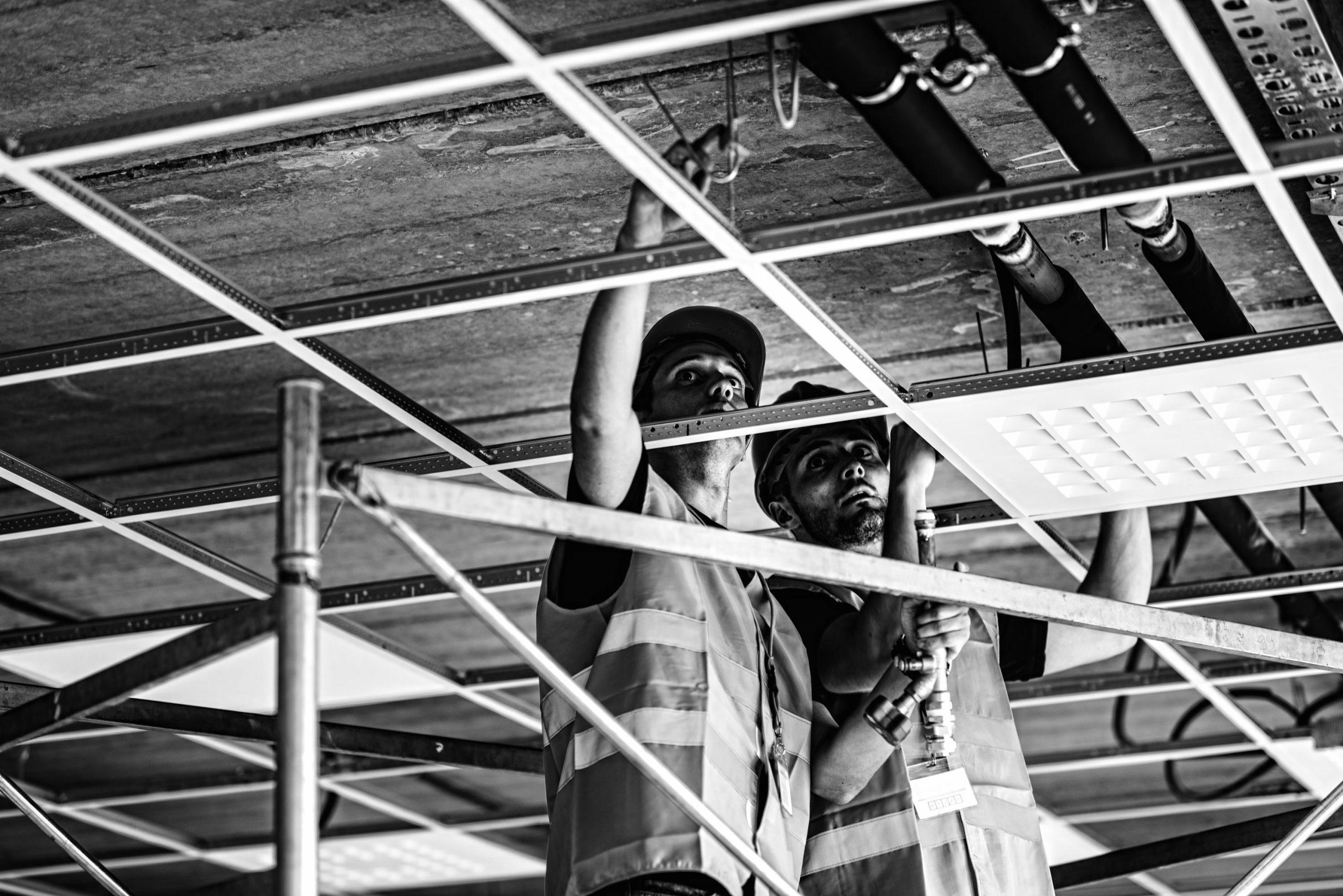
Once you understand permits, it’s time to plan your ADU’s design and budget. These elements are key to creating a space that meets your needs without breaking the bank.
Key Design Considerations
Design impacts both function and aesthetics. Consider your goals: Is the ADU for family use or rental income? This decision shapes layout choices. For instance, a rental unit might need a separate entrance for privacy. In contrast, family use could prioritize shared spaces.
Think about future needs too. Will the ADU fit aging parents or growing kids? Flexibility in design ensures long-term usability. Also, keep local style in mind. An ADU that complements your home’s architecture adds value. Remember, good design marries form and function beautifully.
Setting a Realistic Budget
Budgeting is about balance. You want quality without overspending. Start by listing all potential expenses. This includes materials, labor, and permits. Don’t forget hidden costs like landscaping or utility hookups. Setting aside funds for unexpected expenses is wise too.
Research typical ADU costs in your area. This provides a baseline for your budget. For example, garage conversions might be cheaper than new builds. Understanding these differences helps allocate resources effectively. By planning your budget carefully, you set your project up for success.
Maximizing ROI with Quality Construction
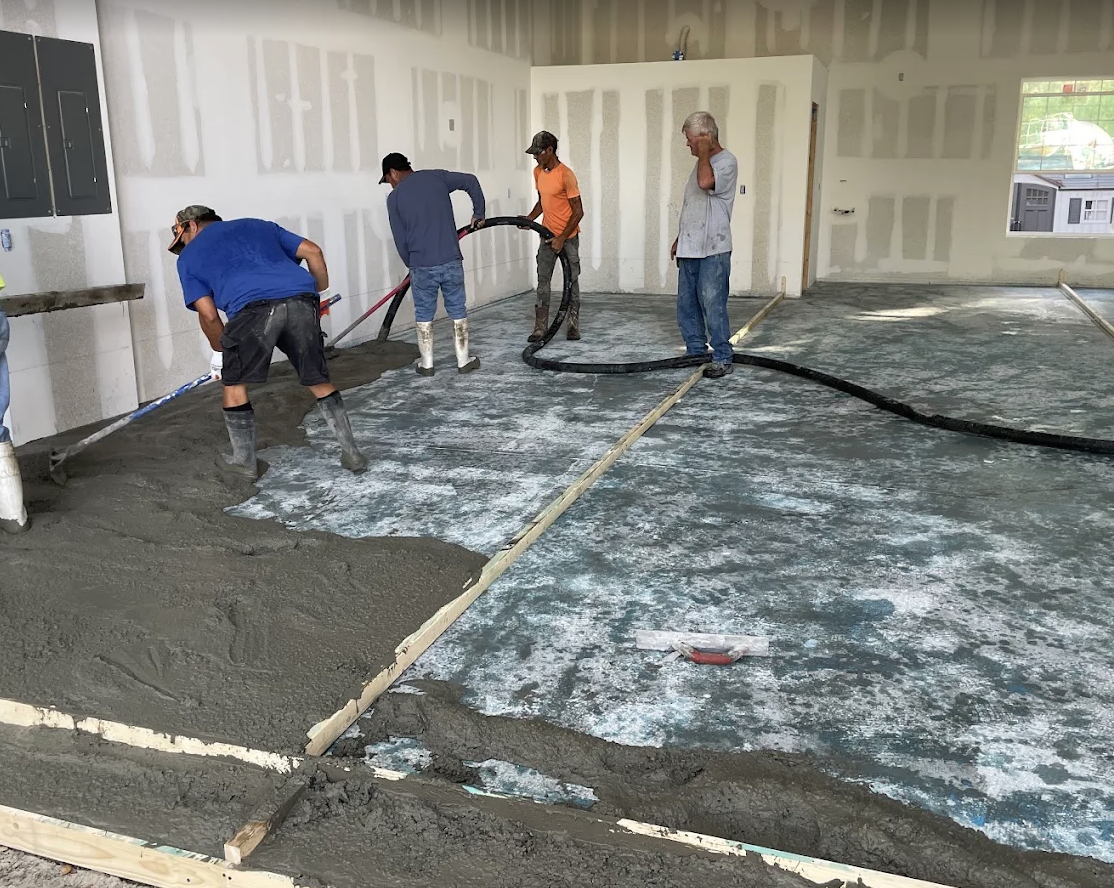
Quality construction not only ensures longevity but also boosts your investment’s return. Let’s explore how to achieve this through code compliance and energy efficiency.
Code-Compliant Renovations
Compliance with building codes is non-negotiable. It ensures safety and legality. Partnering with a knowledgeable contractor simplifies this process. They understand local regulations and how to meet them. Code compliance might involve upgrading electrical systems or ensuring structural integrity.
Regular inspections during construction keep your project on track. They catch issues before they become costly problems. Additionally, a code-compliant ADU attracts buyers or renters, boosting its market appeal. This is a key step in protecting your investment and maximizing ROI.
Energy-Efficient ADU Solutions
Energy efficiency is a smart investment. It reduces utility bills and enhances the ADU’s appeal. Start with high-quality insulation. It keeps the space comfortable year-round. Consider energy-efficient appliances and lighting too. These choices lower operational costs over time.
Solar panels are another option. They provide sustainable energy and can increase property value. Moreover, many areas offer incentives for green building practices. Research these programs to offset initial costs. By focusing on energy efficiency, you create an ADU that’s both eco-friendly and cost-effective.
Frequently Asked Questions
What are the zoning requirements for building an ADU in Central Florida?
Zoning requirements vary by city. In Orlando, for example, setbacks determine how close an ADU can be to property lines. Checking your city’s specific rules early can prevent delays.
How do I start the ADU permit process in Florida?
Begin by submitting your plans to the local building department. They will review for compliance with safety codes. Expect to pay permit fees and accommodate inspections throughout the project.
What design elements should I consider for an ADU?
Consider the ADU’s intended use: family space or rental. This affects layout and design choices. Also, think about future needs and ensure the design complements your existing home.
How can I budget effectively for an ADU project?
List all expenses, including materials, labor, and permits. Research local ADU costs to get a realistic budget baseline. Always set aside funds for unexpected costs.
Why is energy efficiency important for an ADU?
Energy efficiency reduces utility bills and enhances appeal. It involves using quality insulation, efficient appliances, and possibly solar panels. These choices make the ADU eco-friendly and cost-effective.