
Before You Build an ADU in Central Florida: Codes, Costs, and Smart Planning
Building an accessory dwelling unit in Central Florida comes with more questions than answers—zoning rules, permits, costs, and timelines can quickly overwhelm. If you’re planning an ADU, granny flat, or garage conversion, knowing the local requirements upfront saves time and money. This guide breaks down what you must understand before starting your project, helping you plan smart and avoid costly delays with the right design-build contractor at your side. For more information, refer to this ADU Guidebook.
Understanding Local ADU Regulations
Building an Accessory Dwelling Unit (ADU) in Central Florida requires a solid grasp of local regulations. Let’s explore the key rules and compliance factors you need to know.
Navigating Zoning and Permitting
Zoning laws are crucial when adding an ADU to your property. You’ll need to verify your property’s zoning classification to ensure ADUs are allowed. Zoning dictates where and how ADUs can be built. For instance, some zones may restrict the number of occupants or require specific setbacks from property lines. To simplify the process, start by checking resources like the Alachua County ADU guidelines.
Permitting is the next step. You’ll need various permits before construction can begin. These include building permits, which ensure your project meets safety standards, and possibly special permits if your ADU doesn’t conform to usual zoning laws. Staying organized with these documents is crucial to avoid project delays.
County-Specific ADU Rules
Different counties have unique ADU regulations. In Pasco County, for example, specific rules must be followed to build an ADU. You can explore these on the Pasco County website. Knowing these local requirements can save time and prevent legal issues. Many counties are updating their ADU rules to accommodate growing demand, so staying informed is key.
Meeting Code and Compliance
Ensuring your ADU meets building codes is essential for safety and legality. Building codes cover everything from structural integrity to electrical systems. Your ADU must also be hurricane code compliant, given Florida’s weather patterns. Working with professionals, like a trusted design-build contractor, helps guarantee compliance. They can navigate these requirements efficiently, making the process smoother and stress-free.
Planning and Budgeting Your ADU
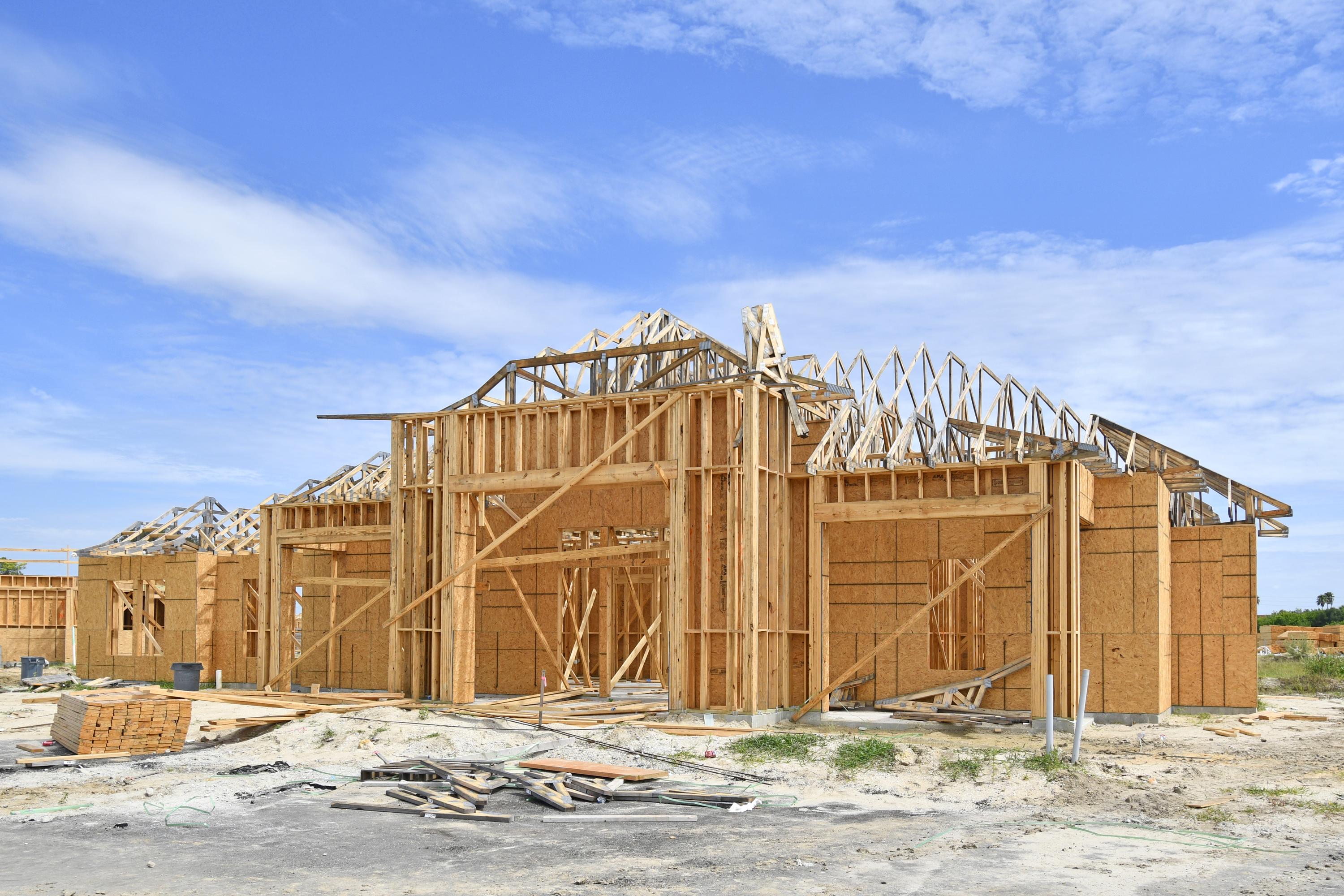
Once you’re familiar with regulations, it’s time to plan and budget for your ADU. This phase involves careful consideration of costs, design, and resources.
Estimating Costs and ROI
Understanding the costs involved in building an ADU is critical. Expenses include design, permits, construction, and utilities. On average, building an ADU in Florida can range from $100,000 to $200,000, depending on size and features. However, the potential for ROI through rental income is significant. An ADU ROI rental income could provide additional financial benefits, making it a smart investment.
Smart Design and Layout Considerations
An efficient design maximizes your ADU’s functionality and appeal. Consider how you will use the space: Will it serve as an in-law suite, rental unit, or home office? Incorporate energy-efficient features to reduce costs. Designing with aging-in-place in mind can also future-proof your ADU. A design-build contractor in Central Florida can help you create a layout that meets your needs while staying within budget.
Managing Scheduling and Resources
Proper scheduling ensures your project stays on track. Delays can occur due to unforeseen circumstances or material shortages. Working with a reliable contractor can help manage resources effectively, ensuring timely completion. Regular communication with your contractor is essential to address any issues promptly and keep the project moving forward.
Construction and Project Execution
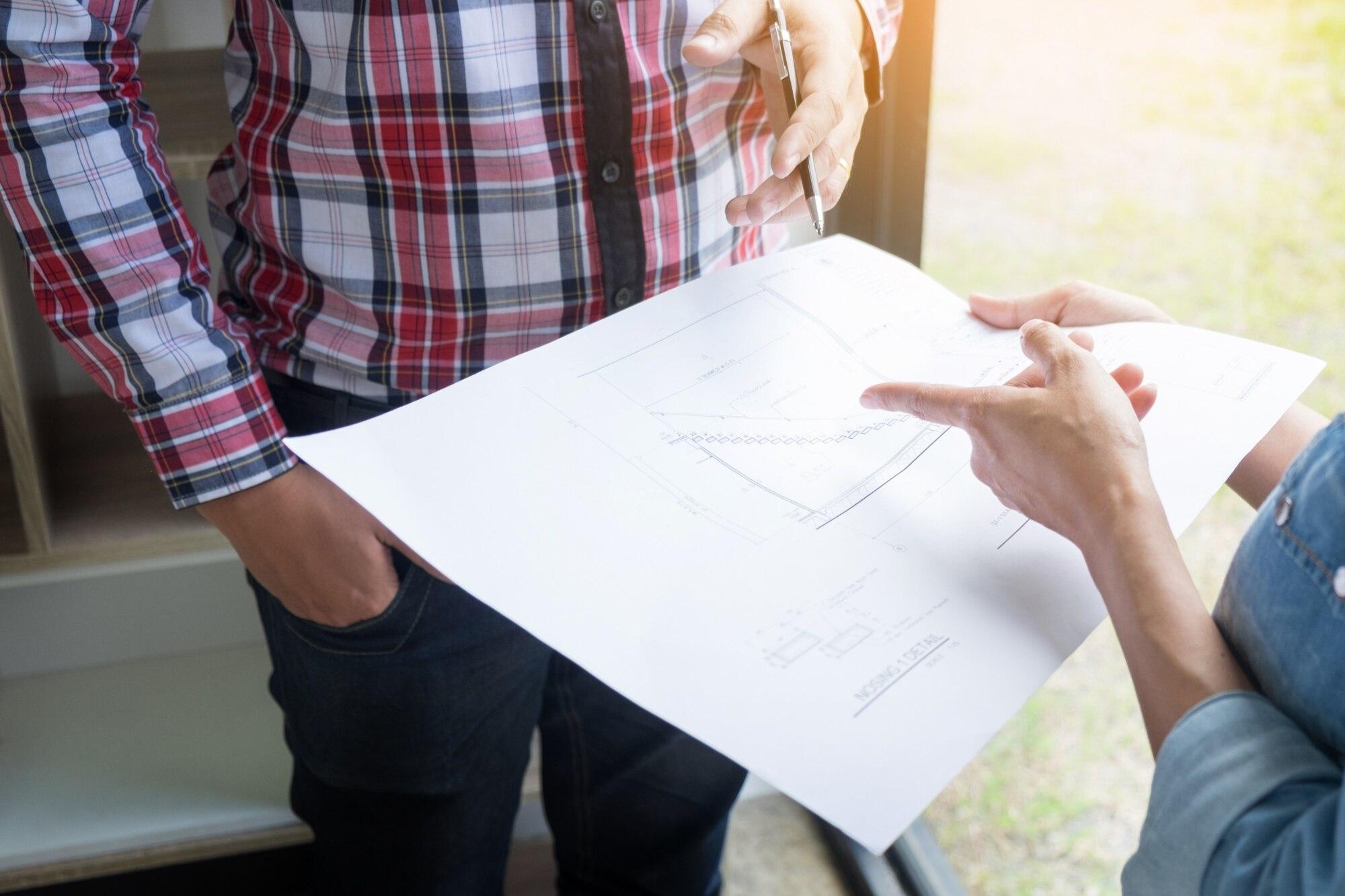
With plans in place, it’s time to focus on construction. This phase involves selecting the right contractor and ensuring all elements come together seamlessly.
Choosing a Trusted Design-Build Contractor
Selecting a reliable contractor is crucial for a successful ADU project. Look for a company with extensive experience and a solid reputation in Central Florida. They should offer comprehensive services, from initial design through to project completion. A trusted contractor will prioritize your needs and ensure quality workmanship throughout the process.
Ensuring Utility Tie-Ins and Compliance
Connecting utilities to your ADU is a critical step. This includes water, electricity, and sewer systems. Converting from septic to sewer may be necessary, depending on your location. Ensuring these tie-ins are done correctly is vital for compliance and functionality. A knowledgeable contractor will handle these details, ensuring everything is up to code.
Finalizing Inspections and Finishing Touches
As construction nears completion, final inspections are required to ensure everything meets building standards. These inspections cover structural integrity, electrical systems, and safety features. Once passed, you can add the finishing touches to your ADU, such as landscaping or interior decorating, to make it truly your own.
Frequently Asked Questions
What is the average cost of building an ADU in Central Florida?
The cost to build an ADU in Central Florida typically ranges from $100,000 to $200,000, depending on size, design, and features. Factors such as permits, materials, and labor can influence the total cost.
Do I need a permit to build an ADU in Central Florida?
Yes, permits are required for building an ADU. These include building permits and possibly special permits if your ADU doesn’t conform to the usual zoning laws. It’s essential to check local regulations and obtain all necessary permits before construction.
Can I rent out my ADU for additional income?
Yes, renting out your ADU can provide additional income. Many property owners in Central Florida use ADUs as rental units to enhance their property’s ROI. Ensure your ADU complies with local rental regulations and zoning laws.
What types of ADUs are allowed in Central Florida?
The types of ADUs allowed vary by county. Generally, they include granny flats, in-law suites, and garage conversions. It’s important to consult local zoning regulations to determine what is permissible on your property.
How long does it take to build an ADU in Central Florida?
The timeline for building an ADU can vary depending on factors like design complexity and permitting processes. On average, it can take several months from planning to completion. Working with an experienced contractor can help streamline the process and minimize delays.