
Florida Building Inspections: Hidden Costs of Failure, Avoidable Delays, and How to Prevent Them from Day One
Failed Building Inspections in Florida: Hidden Costs, Delays, and How to Prevent Them
In Florida construction, a failed building inspection is never just a minor inconvenience. It is often the first visible symptom of deeper problems—problems that cost time, money, credibility, and sometimes legal exposure.
At Sovanic, Inc., with 26 years in business as a licensed Florida General Contractor, we have seen firsthand how inspection failures derail projects that otherwise appeared straightforward. Property owners often focus on passing the inspection itself, but seasoned professionals understand that inspections are only checkpoints. The real work happens long before an inspector arrives on site.
After more than two decades working under the Florida Building Code, one principle has remained constant: projects that fail inspections rarely fail by accident. They fail because something was overlooked, rushed, misunderstood, or improperly executed.
This article explains the hidden costs of failed inspections, why they are so common in Florida, and—most importantly—how experienced contractors prevent them by doing things correctly from the start.
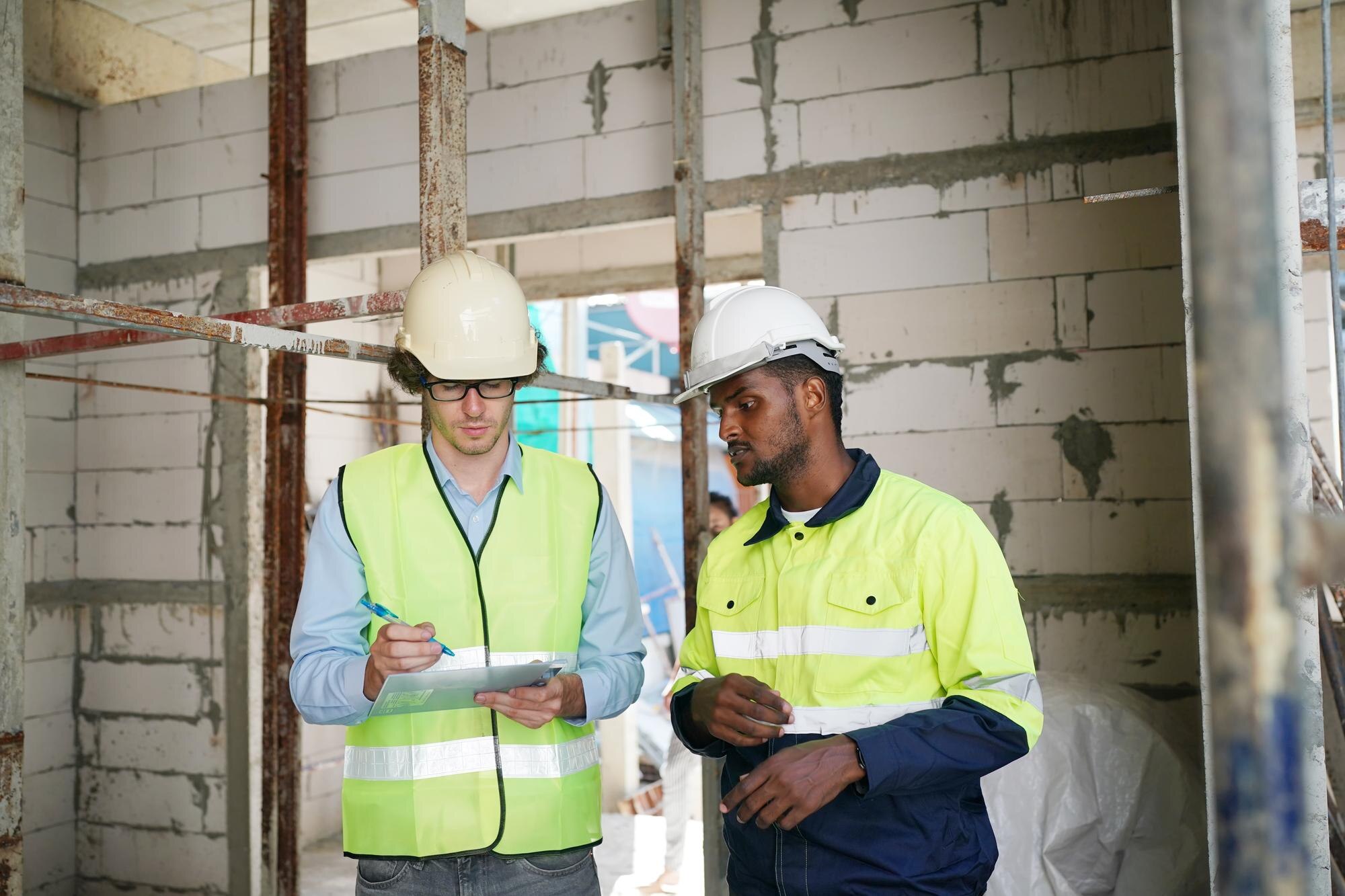
The Florida Inspection Environment: Why It Demands Experience
Florida is not a forgiving construction state. Hurricanes, high wind loads, flood zones, humidity, and population density have shaped one of the most stringent building codes in the country. Inspections here are not box-checking exercises—they are serious enforcement actions tied to public safety and long-term structural integrity.
Inspectors routinely evaluate compliance with:
-
Structural and wind-load requirements
-
Electrical grounding and bonding
-
Plumbing and sanitary systems
-
Fire separation and life-safety provisions
-
Energy efficiency standards
-
Zoning and land-use regulations
With decades of experience working with local jurisdictions, Sovanic, Inc. understands how inspectors interpret and enforce these requirements, which is critical. What might pass in another state—or under an inexperienced contractor—often fails in Florida.
The Obvious Costs of a Failed Inspection
Most owners recognize the immediate consequences of a failed inspection:
-
Reinspection fees
-
Labor downtime
-
Material removal and replacement
-
Scheduling delays
While these costs are inconvenient, they are only the surface-level impact. Many owners assume inspection failures are routine. In reality, repeated inspection failures are a warning sign of poor project management or insufficient code knowledge.
Well-run projects, managed by experienced contractors, do not fail inspections repeatedly.
The Hidden Costs Most Property Owners Don’t See
1. Delays That Multiply Across the Project
Construction sequencing in Florida is tightly coordinated. A failed inspection delays not just one phase, but every trade that follows.
Electrical cannot be concealed. Drywall cannot proceed. Final inspections are postponed. Subcontractors move on to other projects, and rescheduling becomes difficult.
What should have been a short correction can delay a project weeks or even months.
2. Unrecoverable Labor Costs
Crews returning to correct failed work are performing non-productive labor. For owners paying time-and-materials, this is money spent without progress.
At Sovanic, Inc., our long-standing approach has always been simple: it is less expensive to do the work right once than to redo it after an inspection failure.
3. Increased Scrutiny From Inspectors
Inspectors remember patterns.
When projects fail inspections repeatedly, inspectors become more meticulous. Details that might otherwise pass receive correction notices. Inspections take longer. Expectations increase.
This loss of inspector confidence is rarely discussed, but it has real financial consequences.
4. Exposure to Code Enforcement and Legal Issues
Many failed inspections uncover deeper problems:
-
Unpermitted work
-
Deviations from approved plans
-
Outdated or incorrect code assumptions
In Florida, these discoveries can trigger:
-
Stop Work Orders
-
Code enforcement cases
-
Mandatory engineering reports
-
Fines and penalties
-
Costly legalization of unpermitted work
At that stage, the inspection failure is no longer the problem—it is merely the beginning.
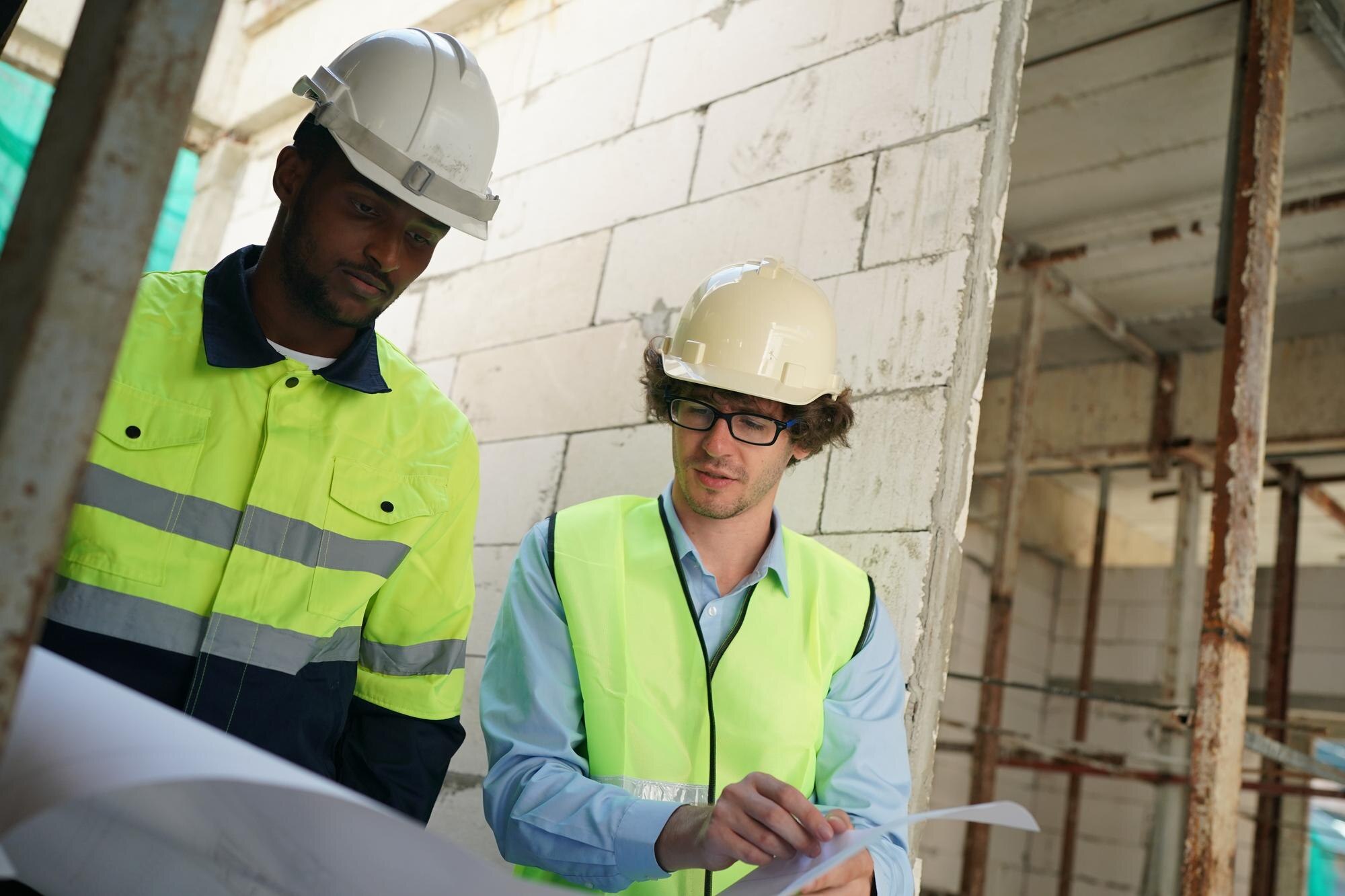
Why Building Inspections Fail in Florida
After 26 years in the field, inspection failures typically fall into predictable categories.
Work Performed Without Proper Permits
Unpermitted work remains one of the most expensive mistakes property owners can make. Once discovered, legalizing that work often requires engineering reviews, as-built drawings, and selective demolition.
What could have been permitted correctly at the outset becomes far more costly later.
Misunderstanding the Florida Building Code
Florida’s code is detailed and frequently updated. Relying on “how it’s always been done” is risky.
Common failures include:
-
Improper fastening schedules
-
Incorrect fire-rated assemblies
-
Inadequate egress design
-
Electrical grounding and bonding errors
Experience must be paired with current code knowledge.
Incomplete or Inaccurate Plans
Inspectors inspect against approved plans, not intentions. When plans are vague, inconsistent, or outdated, inspections fail—regardless of workmanship.
Cutting Corners
Shortcuts are rarely invisible. Missing nail plates, undersized conductors, improper supports, or unapproved materials are eventually found—and must be corrected at a premium.
The Long-Term Impact on Owners and Investors
Inspection failures are not just construction issues—they are financial risks.
Delays affect:
-
Rental income
-
Loan draw schedules
-
Insurance coverage
-
Closings and occupancy approvals
For commercial projects, a delayed Certificate of Occupancy can jeopardize tenants and leases. For residential projects, it can mean extended carrying costs and lost market opportunities.
Sovanic, Inc. Helps Prevent Failed Inspections
At Sovanic, Inc., our 26 years as a Florida General Contractor have reinforced a disciplined approach:
Proper Permitting From Day One
Permits protect property owners. They establish a clear legal record and prevent future disputes or enforcement actions.
Florida-Specific Code Expertise
We work with experienced engineers and architects who understand Florida’s unique requirements and local amendments.
Inspection Readiness
Inspections are scheduled only when work is complete, visible, and compliant. We do not “test” inspections—we prepare for them.
Early Problem Resolution
Issues are addressed before inspections, not after failures. This saves time, money, and credibility.
Final Thoughts
Building inspections are not obstacles—they are safeguards. When handled correctly, they protect lives, investments, and long-term property value.
After 26 years in business, Sovanic, Inc. has learned that inspection failures are rarely unavoidable. They are usually preventable with experience, planning, and respect for the process.
In Florida construction, the old principles still hold true:
-
Do the work properly
-
Follow the code
-
Respect the permitting and inspection process
Projects built on those principles pass inspections—not by chance, but by design.