
ADU Conversions in Central Florida: What to Know Before Turning Underused Space into Flexible Living
Unused spaces in Central Florida homes often hold more potential than you realize. Turning these areas into a flexible living area or an ADU can add value and open new possibilities for multigenerational living or rental income. Before you start, understanding zoning, permits, structural needs, and budget factors is key to a smooth conversion. Let’s explore what it takes to get your ADU Central Florida project off on the right foot. For more insights on transforming spaces, check out this resource.
Zoning and Permitting Essentials
Before you dive into your ADU project, you need to know the ins and outs of zoning and permits. These rules shape what you can build and where.
Navigating Zoning and Setbacks Florida
Zoning laws can seem tricky, but they’re just rules about where you can build. In Florida, each city or county may have different zoning laws. These laws dictate the distance your new structure must be from the property line, known as setbacks. Understanding these rules is crucial for planning your ADU. You don’t want to start building and then find out you’re too close to a neighbor’s property. Check with your local planning department to get the specifics for your area.
Understanding ADU Permitting Florida
Permits are essential for any construction project, including ADUs. These ensure your project meets safety standards. Without the right permits, you might face fines or be forced to tear down your work. In Florida, the permitting process might include inspections for plumbing, electrical, and structural work. Make sure you apply for the proper permits before starting your project. This step is vital to avoid costly mistakes and ensure a smooth building process.
Permit Expediting Orlando Services
Navigating permits can be time-consuming. This is where permit expediting services in Orlando come in. These services help you get the necessary approvals faster. They know the local building codes and can guide you through each step. This can save you a lot of time and hassle, allowing you to focus on other aspects of your project.
Structural and Utility Considerations

Once zoning and permits are clear, the next step is considering the structure and utilities. This ensures your ADU is safe and livable.
Hurricane Code Compliance and Safety
In Central Florida, construction must withstand hurricanes. Ensuring your ADU meets hurricane codes is not just about compliance; it’s about safety. This includes using materials that can resist high winds and ensuring your structure is anchored correctly. A well-built ADU can provide peace of mind during storm season, making it a safe space for you or your tenants.
Energy-Efficient Renovation Techniques
Making your ADU energy-efficient saves money in the long run. Consider insulation, energy-efficient windows, and smart thermostats. These features reduce utility bills and are attractive to potential renters. It’s also an environmentally-friendly choice, benefiting future generations by reducing your carbon footprint.
Integrating MEP Systems Effectively
Mechanical, Electrical, and Plumbing (MEP) systems are the backbone of any home. Proper integration of these systems in your ADU ensures comfort and functionality. Work with professionals who understand how to install these systems efficiently, saving you from potential headaches down the road.
Budgeting and ROI Insights
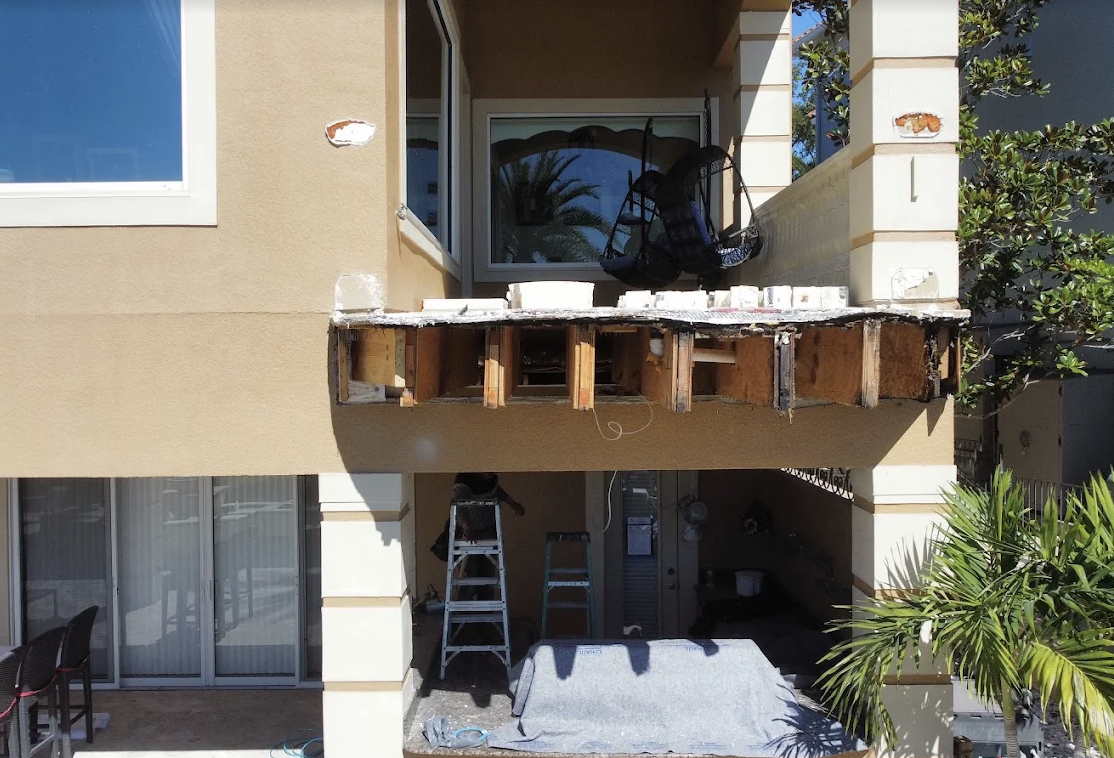
Budgeting is crucial for any construction project. Knowing your costs and potential returns helps you make informed decisions.
Crafting a Realistic ADU Budget
Creating a budget for your ADU involves more than just construction costs. Factor in permits, potential landscaping, and furnishings. Be realistic about what you can afford and stay on track to prevent overspending. A well-planned budget ensures your project stays financially viable from start to finish.
Maximizing Rental Income ADU Potential
An ADU can be a great source of rental income. To maximize this potential, consider design and location. A well-designed ADU can attract higher-paying tenants. Keep in mind the rental market trends in your area to set competitive prices.
Sovanic Inc Construction Expertise
With over 40 years of experience, Sovanic Inc provides expert guidance through the ADU building process. Their local expertise in Central Florida ensures that your project is compliant, safe, and built to last. Trusting a seasoned contractor can save you time and stress, delivering a quality living space that meets all your needs.
Frequently Asked Questions
What is an ADU?
An ADU, or Accessory Dwelling Unit, is a secondary housing unit on a single-family residential lot. It can serve as a rental apartment, guest house, or additional living space.
Do I need a permit to build an ADU in Florida?
Yes, you need a permit to build an ADU in Florida. Permits ensure your structure meets safety and zoning regulations, preventing future legal issues.
How can I make my ADU energy-efficient?
To make your ADU energy-efficient, use proper insulation, energy-efficient windows, and install smart thermostats. These additions can significantly reduce energy costs.
What are the zoning requirements for ADUs in Florida?
Zoning requirements for ADUs vary by city and county in Florida. They typically include restrictions on size, location, and setbacks from property lines. Check with your local planning department for specifics.
How do I start the ADU building process?
Start by researching zoning laws and obtaining the necessary permits. Consult with a contractor like Sovanic Inc. to guide you through design, construction, and compliance with local regulations.