
From Concept to Keys: How to Choose a Design-Build Construction Partner That Delivers Start to Finish
Most construction projects stumble when planning and execution fall under different roofs. If you’re juggling permits, designs, and budgets with multiple contractors, you know how costly delays and miscommunication can be. Choosing a design-build contractor Central Florida trusts means one team handling every step—from preconstruction planning Florida to final inspections—keeping your project on schedule and within budget. Let’s explore how to find a partner who delivers from concept to keys with confidence and care. For more information, check out this guide on planning a construction project from start to finish.
Choosing the Right Design-Build Partner
Understanding Full-Service Contractors
Selecting the right construction partner starts with understanding who can handle it all. Full-service contractors manage every phase of a project, ensuring cohesion and communication. This means you deal with a single team, reducing the chances of errors and delays.
Full-service means more than just basic construction. These contractors provide a wide range of services, from initial design to final touches. They work closely with you to make sure your vision turns into reality. This comprehensive approach simplifies the process, allowing you to focus on what you do best.
Importance of Start-to-Finish Management
A contractor who manages from start to finish provides peace of mind. They oversee every stage, aligning tasks to maintain momentum and efficiency. This means fewer hiccups and a smoother journey from concept to completion.
Start-to-finish management includes proactive problem-solving. Experienced teams anticipate potential issues, keeping your project on track. This approach saves time and money, ultimately delivering a successful build.
Evaluating Project Lifecycle Expertise
Look for a partner with proven expertise across the project lifecycle. This ensures they can handle various challenges that may arise, from planning to execution. A skilled contractor will have a solid understanding of both the big picture and the finer details.
Experience in project lifecycle management is crucial. It demonstrates a contractor’s ability to adapt and respond to your unique needs. This expertise ensures a seamless transition between phases, ultimately resulting in a quality build.
Key Services to Look For
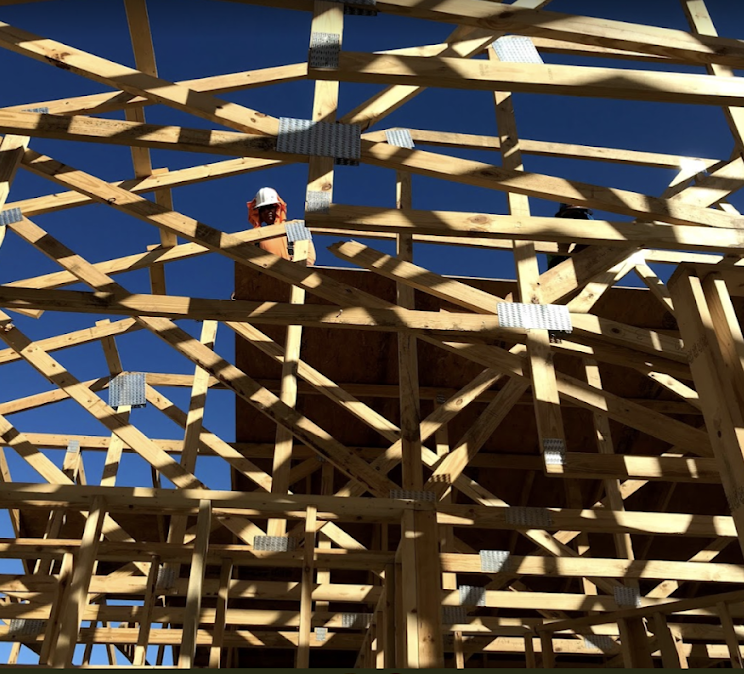
Preconstruction Planning Benefits
Preconstruction planning is vital for a successful project. This phase involves detailed analysis and preparation, setting the stage for efficient execution. Proper planning minimizes risks and aligns resources effectively.
During preconstruction, contractors assess the project scope and identify potential challenges. They develop a roadmap, outlining critical milestones and timelines. This thorough preparation leads to smoother execution and a better end result. For additional insights, explore this article on construction planning.
Value Engineering Explained
Value engineering focuses on maximizing value without sacrificing quality. It involves analyzing every aspect of the project to find cost-effective solutions. This approach ensures that you get the best return on your investment.
By incorporating value engineering, contractors can identify alternative materials or methods that offer better performance or savings. This proactive approach not only optimizes costs but also enhances the overall quality of the build.
Managing Permits and Inspections
Navigating permits and inspections can be daunting. A reliable contractor simplifies this process, ensuring compliance with all regulations. They handle paperwork and coordinate with local authorities, keeping your project moving forward.
Managing permits and inspections requires attention to detail and expertise. An experienced contractor knows the ins and outs, reducing the risk of delays and ensuring a smooth transition through each stage. This expertise is essential for a successful build, particularly in areas with stringent regulations, like Central Florida. Learn more about the process here.
Making an Informed Decision
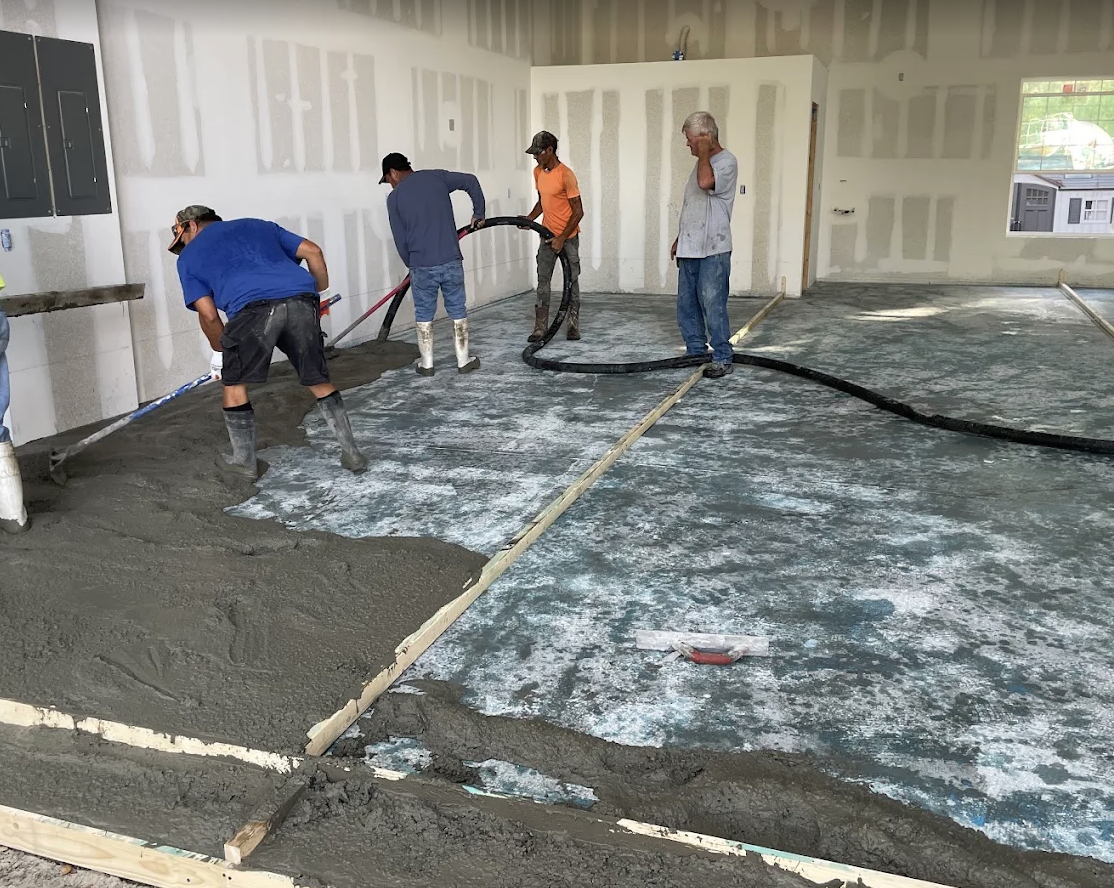
Assessing Construction Quality Assurance
Quality assurance is a critical factor when choosing a contractor. It ensures that every aspect of the project meets high standards. A commitment to quality leads to durable, aesthetically pleasing results.
Assessing a contractor’s quality assurance involves reviewing past projects and client feedback. Look for a proven track record of successful builds and satisfied customers. This demonstrates their dedication to delivering top-notch results.
Importance of Schedule and Budget Control
Staying on schedule and within budget is crucial for any construction project. A skilled contractor prioritizes effective management, ensuring that resources are allocated efficiently. This approach minimizes delays and keeps costs in check.
Schedule and budget control involve regular monitoring and adjustments. A proactive contractor anticipates challenges and implements solutions swiftly. This ensures your project stays on track, delivering the desired outcome on time and within budget.
Requesting Consultations and Bids
When making your decision, request consultations and bids from potential contractors. This allows you to compare their offerings and choose the best fit for your project. Transparent communication during this phase is essential for building trust.
During consultations, discuss your vision and expectations. Evaluate how each contractor plans to meet your needs, and assess their ability to deliver a successful build. This process helps you make an informed decision, ensuring you select the right partner for your project.
Frequently Asked Questions
What is a design-build contractor?
A design-build contractor manages all aspects of a construction project, from design to completion. This approach streamlines communication and coordination, resulting in a smoother process and a better end result.
Why is start-to-finish management important in construction?
Start-to-finish management ensures continuity and reduces the risk of errors or delays. By overseeing every stage, contractors maintain momentum, anticipate issues, and deliver a successful project.
How does value engineering benefit a construction project?
Value engineering maximizes a project’s value by identifying cost-effective solutions without compromising quality. This approach enhances performance, optimizes costs, and improves the overall build outcome.
What role do permits and inspections play in construction?
Permits and inspections ensure compliance with local regulations and standards. Proper management of these processes is crucial to avoid delays and ensure a successful project outcome.
How can I assess a contractor’s quality assurance?
Assess a contractor’s quality assurance by reviewing past projects and client feedback. A strong track record of successful builds and satisfied customers indicates a commitment to high standards.