
Future-Proof Your Space: What to Consider Before Building Flexible, Multi‑Use Areas in Central Florida
Planning a flexible space in Central Florida means thinking beyond today’s needs. Your multi-use room should adapt smoothly as your business or lifestyle changes, avoiding costly overhauls later. From smart wiring infrastructure to acoustics and sound control, the right future-proof design starts with careful space planning and budgeting. Keep reading to explore what it takes to build flexible space that truly grows with you.
Planning Flexible Spaces
When creating spaces that adapt over time, understanding key concepts in design, budgeting, and compliance ensures long-term success.
Understanding Future-Proof Design
To build a space that stands the test of time, you must consider how it can adapt to future needs. Think about flexible layouts and modular elements that offer easy reconfiguration. Multi-use rooms can serve different purposes as your needs evolve, making them ideal for both homes and businesses. Use smart wiring infrastructure to incorporate the latest technology without frequent upgrades. This ensures your space remains relevant as tech advances.
Budgeting and Scheduling Essentials
Allocating funds wisely and setting a realistic timeline are crucial for any project. Start by defining your must-haves, then focus on those elements first. Establish a clear schedule that accounts for potential delays. Remember, early planning can prevent overspending. Consult with a Central Florida contractor to get a better idea of costs specific to the area. Budgeting isn’t just about cutting costs; it’s about investing in a solid framework that supports long-term flexibility.
Navigating Code Compliance in Florida
Adhering to local building codes is non-negotiable. Understanding code compliance in Florida, especially ADA considerations, is key to a successful project. This ensures safety and legality. Consulting a local expert helps navigate these requirements effectively. Proper compliance not only avoids legal issues but also enhances the functionality and accessibility of your space.
Designing Multi-Use Rooms
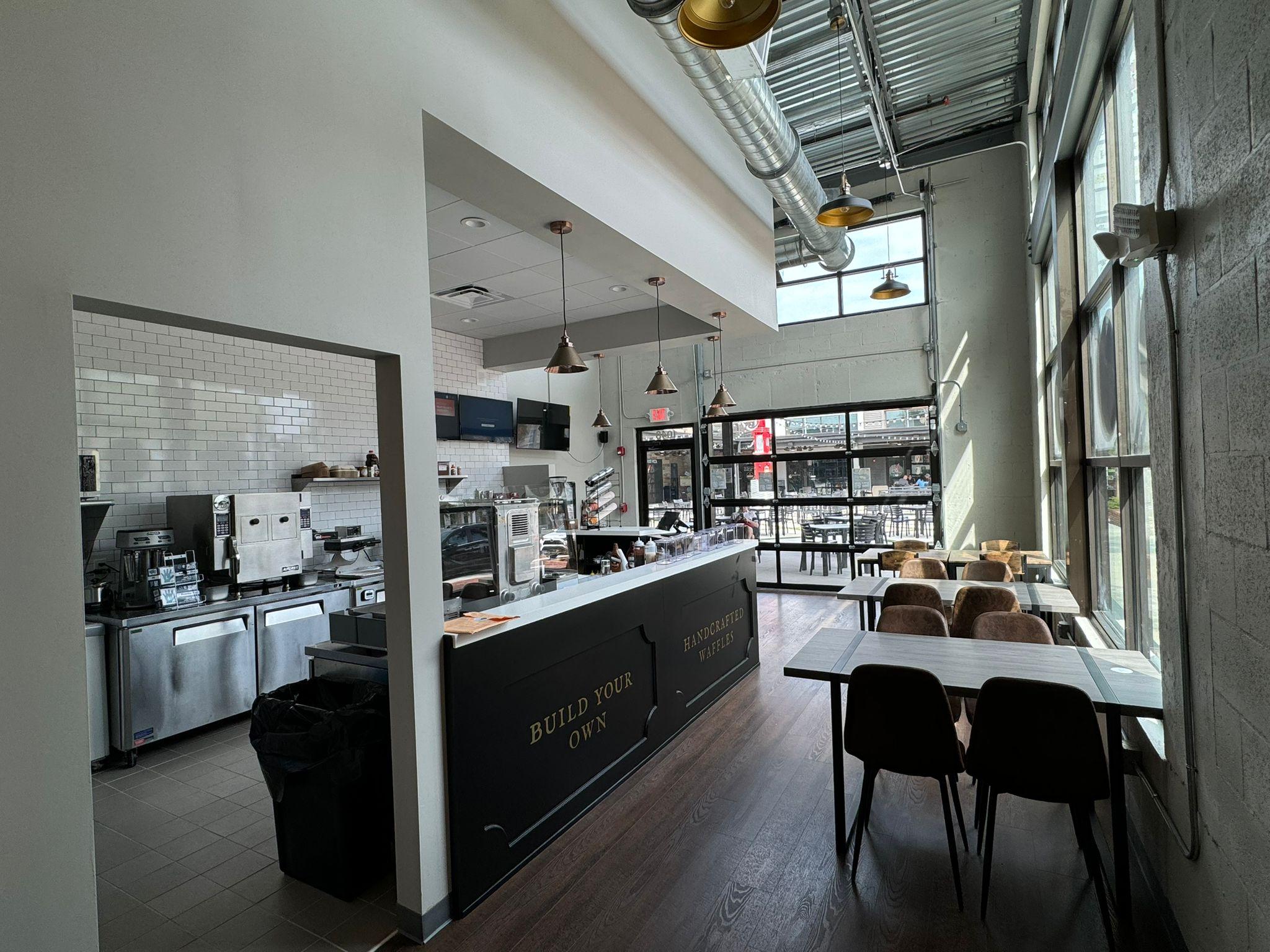
Creating versatile spaces involves strategic planning and design choices that support adaptability and functionality.
Adaptive Reuse Strategies
Adaptive reuse involves repurposing existing spaces for new uses. This strategy maximizes the value of your property. Consider how spaces like garages or underused rooms can be transformed. A garage conversion into a studio or office is a popular choice in Central Florida, offering a cost-effective way to expand living space. Repurposing spaces conserves resources and often requires less time than building anew.
Smart Wiring and MEP Planning
Integrating infrastructure like MEP planning (mechanical, electrical, and plumbing) early in the design phase is critical. This ensures your space can easily accommodate future technological upgrades. Smart wiring allows seamless integration of current and emerging technologies, supporting flexibility in how the space is used. Planning this infrastructure from the start can save you from costly retrofits.
Acoustics and Sound Control Considerations
Sound plays a big role in the functionality of a space. Effective acoustics and sound control improve the comfort and usability of multi-use rooms. Consider soundproofing materials and design techniques that minimize noise transfer. This is particularly important if the room is used for work or entertainment. Good sound control can transform a chaotic space into a calm, productive environment.
Construction and Renovation Insights
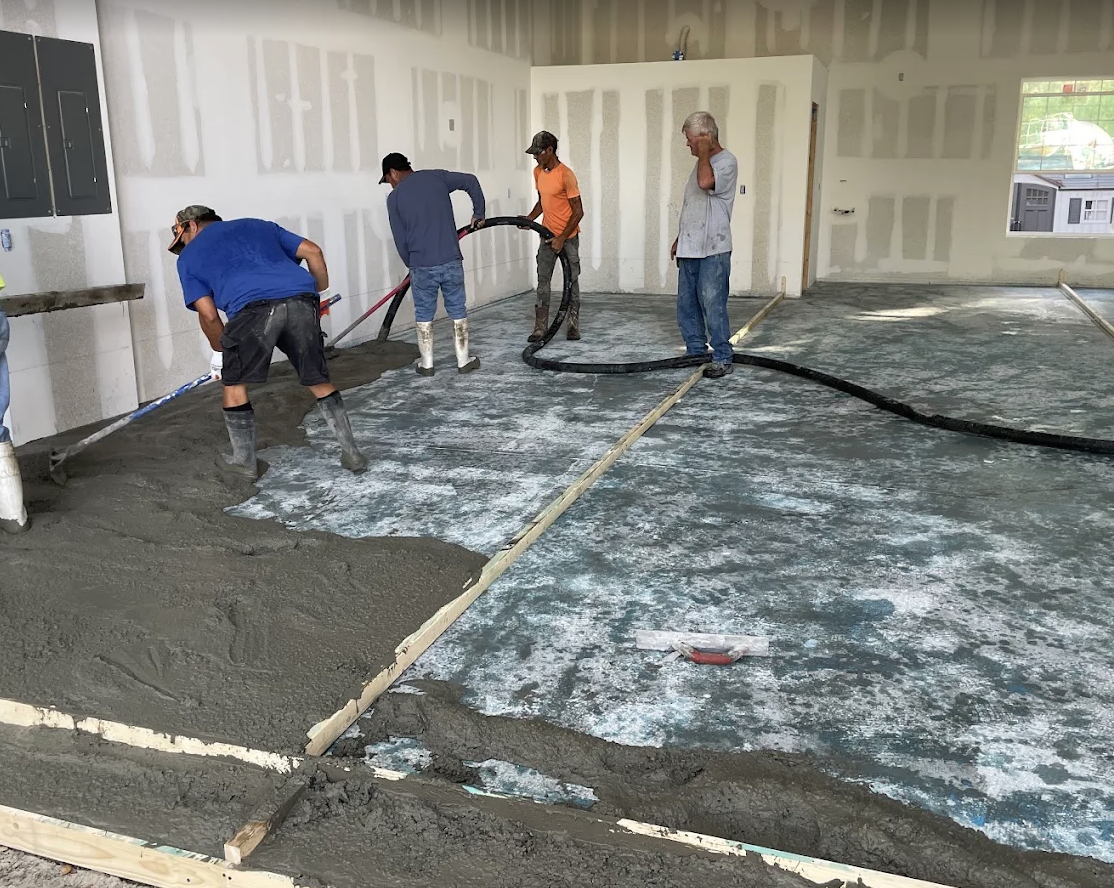
Understanding innovative construction techniques can offer significant benefits in creating adaptable spaces.
Demountable Partitions and Modular Walls
Demountable partitions and modular walls are game-changers for creating flexible interiors. They allow spaces to be easily reconfigured without major renovations. These elements can be installed quickly and provide the flexibility to change layouts as needed. They offer a practical solution for businesses needing dynamic spaces without committing to permanent walls.
Energy-Efficient Upgrades for Flex Spaces
Incorporating energy-efficient upgrades into your design is not only good for the environment but also reduces long-term costs. Consider advanced insulation, energy-efficient lighting, and smart thermostats. These elements can enhance comfort and reduce utility expenses. Investing in energy efficiency today pays off with savings and environmental benefits tomorrow.
Phased Construction for Active Environments
Phased construction allows renovations to occur without major disruptions. This is especially useful for businesses needing to remain operational during upgrades. By completing projects in stages, you minimize downtime and maintain productivity. This approach requires careful planning but offers a practical balance between renovation needs and business continuity.
Frequently Asked Questions
What is a future-proof design?
Future-proof design involves creating spaces that can easily adapt to changing needs and technologies. This includes flexible layouts, smart wiring infrastructure, and modular elements.
How do I budget for a flexible space?
Start by identifying essential features and consult with a local contractor for specific costs. Plan for potential delays and prioritize investments that support long-term adaptability.
What are demountable partitions?
Demountable partitions are movable walls that allow for easy reconfiguration of space. They provide flexibility without the need for permanent construction.
Why is code compliance important in Florida?
Adhering to local codes ensures safety and legality. It also enhances the functionality and accessibility of your space, particularly with ADA requirements.
How can I make my space energy-efficient?
Incorporate energy-efficient lighting, advanced insulation, and smart thermostats. These upgrades reduce utility expenses and improve environmental impact.