
ADU Success in Central Florida: What to Consider Before You Build for More Space and Lasting Value
Building an accessory dwelling unit in Central Florida can feel like navigating a maze of rules, budgets, and design choices. You want more space that works for your family or rental goals without surprises down the road. Knowing what to check before you break ground ensures your ADU delivers real value and fits local codes. Let’s walk through the key factors that set your project up for lasting success with Sovanic, Inc. as your design-build partner. For more insights, you can read this guide.
Key Pre-Construction Considerations
Building an ADU in Central Florida requires careful planning. Let’s start by exploring the groundwork needed before construction begins.
Understanding Local ADU Regulations
Before you can start building, you need to understand local regulations. ADUs in Central Florida have specific rules. These include zoning laws, size restrictions, and occupancy limits. Each city’s regulations can vary, so it’s crucial to check with your local authority. This ensures your ADU meets all the necessary requirements and avoids potential legal issues. Knowing these rules upfront saves time and money, allowing you to focus on design.
Evaluating Site Feasibility and Zoning
Next, evaluate your property’s feasibility for an ADU. Check if your land can support the additional structure. Factors like lot size, existing structures, and utility access are important. Zoning laws may also dictate where you can place your ADU. Understanding these elements helps you plan effectively, ensuring your project doesn’t face unexpected hurdles. A site feasibility study can be an invaluable tool in this process.
Budgeting for Long-Term Value
Budgeting is a critical step. Consider not just the construction costs, but also long-term value. An ADU can increase property value and provide rental income. Plan your budget to cover these aspects. Include costs for materials, labor, and permits. Long-term maintenance and potential upgrades should also be factored in. A well-planned budget ensures your ADU remains a valuable asset.
Design and Construction Insights
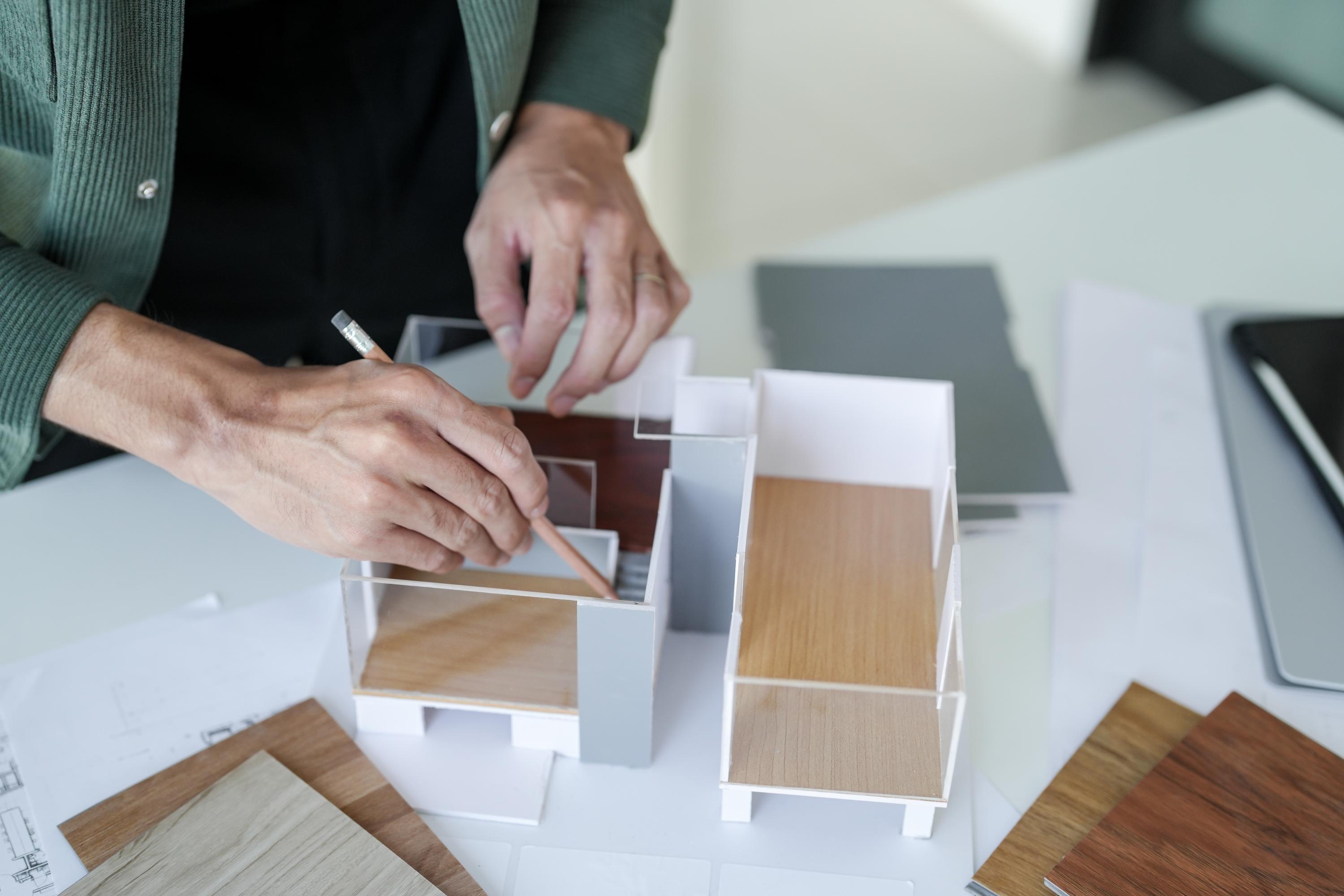
With the groundwork laid, it’s time to delve into design and construction. These insights will guide your project to successful completion.
Choosing the Right ADU Type
Selecting the right ADU type is crucial. Options include detached, attached, or garage conversions. Each type has its pros and cons. Detached units offer privacy, while attached or garage conversions might save on costs. Consider your space, budget, and intended use. This choice impacts both the construction process and eventual functionality.
Ensuring Hurricane and Energy Code Compliance
Florida’s weather demands special considerations. Your ADU must meet hurricane and energy codes. This includes wind load requirements and energy efficiency standards. Compliance not only protects your investment but also ensures safety. Consider features like impact-resistant windows and efficient insulation. Meeting these standards provides peace of mind during hurricane season.
Incorporating Universal Design Features
Incorporating universal design features can enhance accessibility and appeal. This includes wider doorways, step-free entries, and adaptable spaces. Such features make your ADU more versatile, accommodating residents of all ages and abilities. Universal design not only adds value but also broadens rental and resale opportunities.
Maximizing ROI and Property Value

Now, let’s focus on maximizing your ADU’s return on investment and property value.
ADU Financing and Cost Analysis
Understanding financing options is key to managing costs. Consider a HELOC or construction loan to fund your project. Analyze the costs involved, from design to completion. This analysis helps in making informed financial decisions, ensuring your ADU remains profitable in the long run.
Enhancing Privacy and Soundproofing
Privacy and soundproofing are vital for an ADU. Proper insulation and strategic placement can reduce noise transfer. Landscaping can also enhance privacy. These features improve living conditions and can attract potential renters, thereby increasing income opportunities.
Strategies for Rental Income Success
To maximize rental income, consider strategies that attract tenants. Offer amenities that enhance comfort and convenience. Research local rental markets to set competitive rates. Consider short-term rental regulations in Florida, ensuring compliance. These strategies position your ADU as a desirable rental option.
Frequently Asked Questions
What are the benefits of building an ADU?
Building an ADU offers several benefits, including increased property value, additional living space, and potential rental income. It can also provide housing solutions for multigenerational families.
How long does it take to build an ADU in Central Florida?
The timeline for building an ADU varies based on factors like design complexity, permitting, and construction. On average, it can take several months to a year from planning to completion.
What are the common challenges in ADU construction?
Common challenges include navigating local regulations, managing costs, and ensuring compliance with building codes. Proper planning and hiring experienced professionals can mitigate these challenges.
Can an ADU be used for short-term rentals in Florida?
Yes, ADUs can be used for short-term rentals, but it is essential to comply with local regulations and obtain necessary permits. Understanding these rules helps avoid legal issues.
How do I finance an ADU project?
Options for financing an ADU include home equity loans, construction loans, and refinancing. Each option has its pros and cons, so it’s important to choose one that aligns with your financial goals.