
Before You Build: Central Florida ADU Essentials for 2026 (Permits, Codes, and Costs)
Planning an accessory dwelling unit in Central Florida for 2026 means more than just picking a design. You need to navigate zoning rules, permits, utility connections, and building codes that can impact your budget and timeline. Knowing these essentials upfront saves you costly delays and surprises. In this guide, we break down everything you should know before you build your ADU Central Florida project, so you can move forward with confidence. For more information, visit Florida ADU Laws.
Understanding ADU Requirements
Navigating the necessary requirements is a crucial step in your ADU journey. Let’s explore the essentials for zoning, setbacks, and building codes to ensure your project runs smoothly.
Florida Zoning and Permitting Basics
Starting with zoning, it’s vital to understand local regulations before planning your ADU. In Florida, zoning laws determine where you can build an accessory dwelling unit. Each city or county may have its own rules, so contacting local authorities is a smart first step. Permitting is another key aspect: you’ll need to secure various permits before construction begins. This may include a building permit, utility permit, and potentially more. For specific details, the Orange County Residential Accessory Dwelling Unit page offers a comprehensive guide.
Navigating Setbacks and Lot Coverage
Setbacks and lot coverage can impact the design and placement of your ADU. Setbacks are the minimum distance from your property line to where you can build. These distances prevent overcrowding by ensuring buildings are a safe distance apart. Lot coverage refers to how much of your land can be occupied by structures. Understanding these requirements early on will help you maximize your space while staying compliant with local laws. Check out the Florida ADU Regulations for further guidance.
Florida Building Code for ADUs
Meeting building codes ensures safety and quality in your ADU construction. The Florida Building Code outlines the standards for all structures, including accessory dwelling units. Key areas include structural integrity, energy efficiency, and accessibility. Adhering to these codes is not just a legal obligation but also a way to ensure your ADU is safe and sustainable. Learn more about these codes by visiting The ADU Bill.
Budgeting for Your ADU
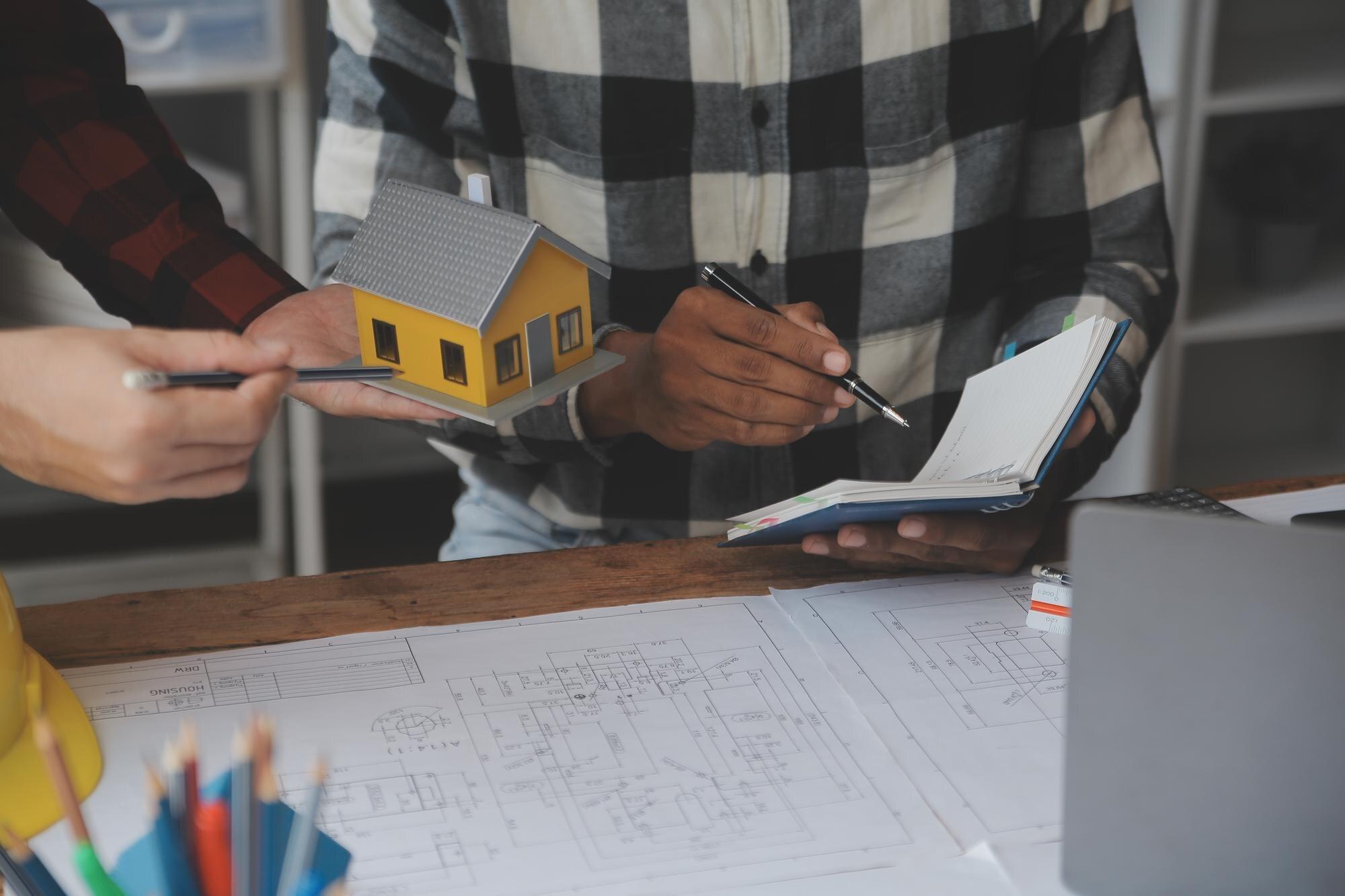
Budgeting is essential for any construction project. Let’s break down the costs involved and how to plan for them effectively.
Estimating Costs: Impact Fees and More
Understanding the financial commitment of an ADU involves more than just construction costs. Impact fees, which are charges imposed by local governments on new development projects, can be a significant expense. These fees support public infrastructure and services affected by new developments. Be sure to include these in your budget, alongside material and labor costs. Consulting with a local contractor can provide clarity on these expenses.
Utility Connections and Septic System Capacity
Connecting utilities to your ADU is another cost to consider. This includes water, electricity, and potentially gas. If your property uses a septic system, you’ll need to assess its capacity to handle additional waste. Upgrading a septic system can be costly but is sometimes necessary to comply with health regulations. Factoring these costs into your budget will help prevent financial surprises later on.
Planning for Schedule and ROI
Time is money. Planning an efficient construction schedule is crucial to managing costs and realizing a return on investment. Consider how long each phase of the project will take, from permitting to construction. A well-planned timeline not only controls costs but also speeds up the time to start earning rental income or providing housing for family members.
Building with Sovanic, Inc.
Choosing the right builder can make all the difference. Sovanic, Inc. offers comprehensive services to bring your ADU vision to life with quality and care.
ADU Design-Build Services in Central Florida
At Sovanic, we offer end-to-end services to streamline your ADU project. From initial design to final construction, our team handles all aspects, ensuring a smooth process. Our approach minimizes stress and maximizes efficiency, guaranteeing a build that fits your needs and budget.
Custom Solutions: Detached, Attached, and Garage Conversions
Whether you want a detached unit, an attachment to your existing home, or a garage conversion, Sovanic provides tailored solutions. Each option has its benefits and challenges, and our experts are ready to guide you through the decision-making process to find the perfect fit for your property.
Hurricane and Flood Zone Construction Essentials
Building in Central Florida often means dealing with hurricanes and floods. Sovanic specializes in constructing ADUs that meet the strict requirements for hurricane wind zones and flood zones. Our resilient designs ensure your structure is safe and secure, providing peace of mind in any weather.
Frequently Asked Questions
What are the first steps to building an ADU in Central Florida?
Start by researching local zoning laws and obtaining the necessary permits. Consulting with a local contractor can also provide valuable insights on planning and budgeting.
How do setback requirements affect my ADU project?
Setback requirements dictate how close your ADU can be to your property line, impacting its placement. Understanding these rules helps in designing a compliant structure.
What are impact fees, and how do they affect my budget?
Impact fees are charges levied by local governments to support public infrastructure needs caused by new developments. They can significantly affect your budget, so plan for them early.
How can I ensure my ADU meets building codes?
Familiarize yourself with the Florida Building Code for ADUs and work with a knowledgeable contractor who understands these requirements to ensure compliance.
Why choose Sovanic, Inc. for my ADU project?
Sovanic, Inc. offers comprehensive design-build services, ensuring quality and efficiency from start to finish, with a focus on meeting local regulations and standards.