
Building for Florida’s Climate: Choosing Durable Materials for Heat, Humidity, and Storms
Florida construction materials that don’t hold up under the state’s heat, humidity, and storms can cost you time and money. You need a Central Florida builder who knows how to meet strict Florida Building Code and wind load requirements without cutting corners. This guide breaks down the best materials for hurricane-resistant construction and moisture-resistant finishes, so your project stands strong for decades. Ready to Florida-proof your project? Keep reading. For more insights, visit this guide on construction materials.
Selecting Durable Construction Materials
In Florida, selecting the right construction materials is essential due to the state’s unique climate challenges. By choosing materials wisely, you ensure your building stands strong for years.
Heat and Humidity Challenges
Florida’s sweltering heat and relentless humidity pose serious challenges for construction. To combat these, materials must be both durable and efficient. Concrete block (CMU) is a popular choice because it withstands intense heat while providing excellent insulation. Another option, fiber cement siding, resists the warping often caused by high humidity. It’s vital to select pressure-treated lumber for wooden structures to prevent rot and decay. Choosing these materials not only prolongs the life of your building but also reduces maintenance costs.
In addition to these, impact windows and doors are a smart choice. They help keep indoor temperatures stable, reducing the need for constant air conditioning, which can lead to significant energy savings.
Hurricane-Resistant Construction
Constructing buildings that can withstand hurricanes is crucial in Florida. Reinforced concrete is a top choice due to its ability to endure high winds. Similarly, metal roofing in Florida is preferred for its durability and wind resistance. Stainless steel fasteners 316 provide additional strength, ensuring that roofs and walls remain intact during storms.
It’s also wise to integrate a stormproof building envelope, which includes waterproofing and flashing, to keep water out during heavy rainfall. Investing in these materials can save you from costly repairs after a storm.
Moisture-Resistant Solutions
To protect against moisture damage, consider using mold-resistant drywall. This type of drywall prevents mold growth, which is a common issue in humid environments. Moreover, implementing waterproofing and flashing techniques helps keep water from seeping into unwanted areas.
Choosing moisture-resistant materials is a proactive step toward maintaining a healthy, durable building. By doing so, you reduce the risk of structural damage and ensure a safer environment for occupants.
Building Code Compliance and Performance

Understanding and complying with Florida’s building codes is critical to ensuring safety and performance. Let’s explore how to meet these requirements effectively.
Understanding Wind Load Requirements
In Florida, understanding wind load requirements is fundamental. Buildings must withstand heavy winds and storms. This means selecting materials like reinforced concrete and metal roofing Florida. These choices not only meet code requirements but also provide peace of mind during hurricane season.
Adhering to wind load requirements ensures the safety of both the structure and its occupants. It’s a vital step in the construction process that should never be overlooked.
Florida Building Code Essentials
The Florida Building Code is designed to ensure safety and durability. It mandates the use of specific materials and construction techniques tailored to the local climate. By following these guidelines, you ensure your building withstands harsh conditions.
Key elements include using impact windows and doors, which protect against debris during storms, and pressure-treated lumber, which resists decay. Compliance with these standards is non-negotiable for a successful construction project in Florida.
Energy-Efficient Building Practices
Incorporating energy-efficient practices not only reduces costs but also promotes sustainability. Utilizing energy-efficient building Florida materials like mold-resistant drywall and fiber cement siding helps maintain internal temperatures, reducing the need for heating and cooling.
These practices not only comply with building codes but also contribute to a greener environment. It’s a win-win situation that benefits both property owners and the planet.
Partnering with a Trusted Builder
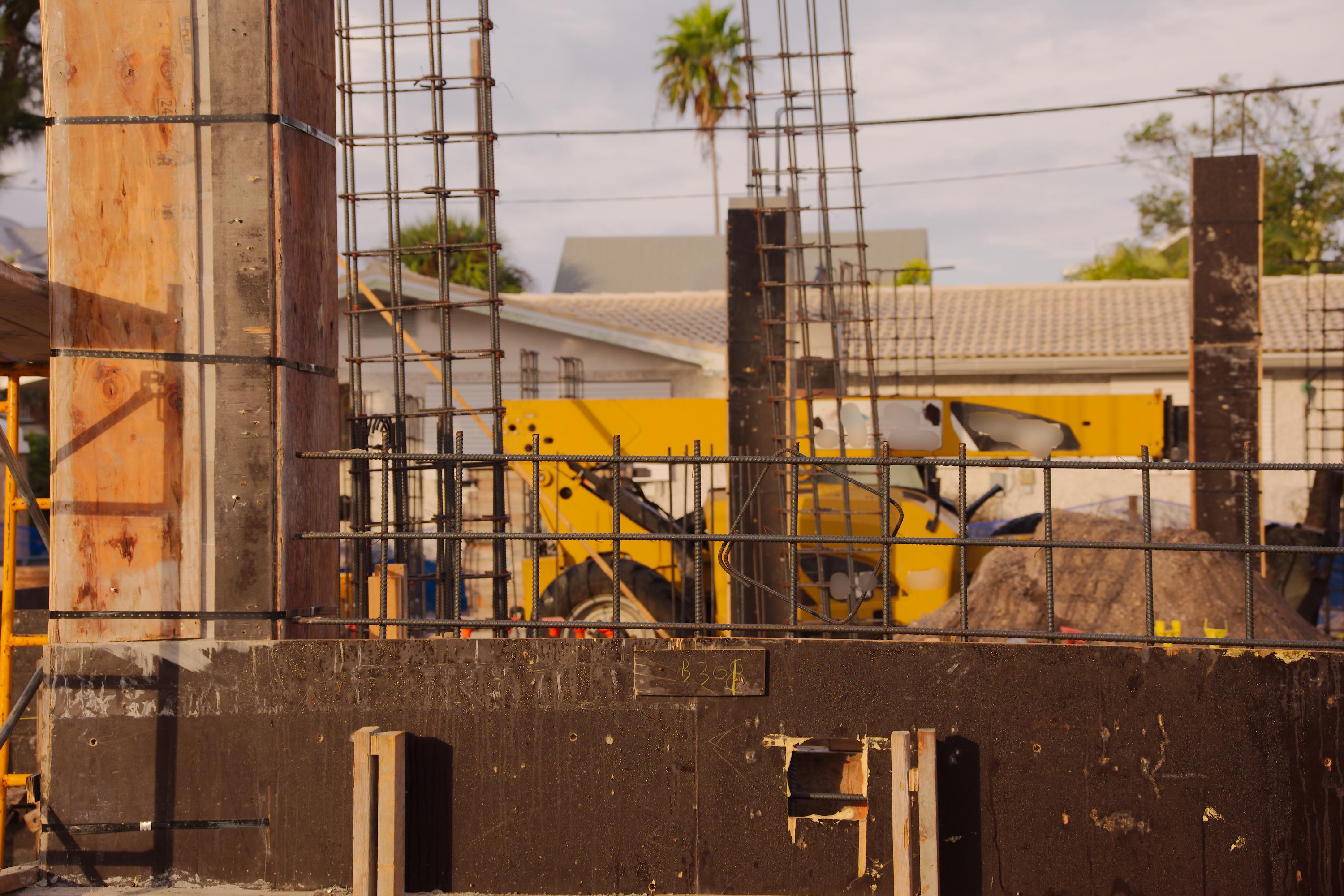
Choosing a reliable builder is crucial for the success of your project. Here’s how you can ensure you partner with the right one.
Comprehensive Material Selection
A trusted builder will guide you in selecting the right materials that meet both your needs and local building codes. They will recommend the best options like reinforced concrete and metal roofing Florida for durability and code compliance.
Having a comprehensive understanding of material selection ensures your project is both safe and cost-effective. It’s a crucial step toward achieving a successful build.
Design-Build Contractor Advantages
Working with a design-build contractor offers numerous advantages. They handle both the design and construction phases, ensuring seamless communication and execution. This approach eliminates misunderstandings and streamlines the process.
By choosing a design-build contractor Central Florida, you benefit from their expertise and local knowledge, resulting in a smoother, more efficient project.
Consultation and Project Planning
Effective consultation and planning are key to a successful construction project. A reputable builder will offer thorough planning services, ensuring all aspects of the project are considered and addressed.
Engaging in detailed project planning minimizes risks and ensures that your project aligns with your vision and budget. It’s an essential step for any construction endeavor.
Frequently Asked Questions
What are the best materials for building in Florida’s climate?
For Florida’s climate, reinforced concrete, metal roofing, fiber cement siding, and impact windows and doors are recommended. These materials withstand heat, humidity, and high winds, ensuring durability.
How can I ensure my building complies with Florida’s building codes?
To comply with Florida’s building codes, use materials like impact windows and doors and pressure-treated lumber. Partnering with a knowledgeable builder ensures adherence to all code requirements.
Why choose a design-build contractor in Central Florida?
A design-build contractor offers seamless integration of design and construction, reducing misunderstandings and delays. They provide local expertise and streamlined project execution, making them a valuable partner.