
How to Plan a Retail Renovation that Improves Customer Flow and Fuels Business Growth in Central Florida
Planning a retail renovation in Central Florida isn’t just about fresh paint and new fixtures. Your store layout impacts how customers move, shop, and ultimately buy. Getting ahead with a smart plan that covers everything from ADA compliance to phased work schedules can keep your doors open and boost sales. In this post, you’ll find a clear framework to improve customer flow and support business growth with help from Sovanic, Inc., your trusted retail contractor in Orlando and Tampa. For more insights on why store renovation is crucial to customer loyalty, visit this link.
Planning a Successful Retail Renovation
Starting with the foundation of a successful retail renovation requires strategic planning. It’s essential to consider layout, compliance, and budget from the outset for a smooth project.
Data-Driven Layout Decisions
Why is your store layout important? It directly influences customer experiences and sales. Using data to guide these decisions can enhance the efficiency of your space. Begin by analyzing customer flow patterns. This insight can show how shoppers navigate your store and pinpoint areas needing improvement. For example, if data reveals congestion near the entrance, consider widening aisles or repositioning displays. Additionally, incorporating flexible layouts allows for seasonal adjustments, keeping your store current and engaging.
ADA and Code Compliance
Ensuring your store meets ADA standards and local codes is non-negotiable. Compliance not only avoids legal issues but also creates an inclusive shopping environment. Start by assessing your current setup for accessibility. Are entryways wide enough for wheelchairs? Is there clear signage for visually impaired customers? Engage with experts to adapt your space, making sure renovations meet all necessary guidelines.
Budgeting and ROI Tracking
A clear budget and ROI tracking system are crucial for your renovation’s success. Begin by estimating costs for materials, labor, and potential downtime. Factor in unexpected expenses to avoid financial strain. Once your budget is set, establish metrics to measure the renovation’s impact. Track sales before and after the project to gauge ROI. This approach not only keeps your renovation on check but also justifies future investments.
Minimizing Renovation Downtime
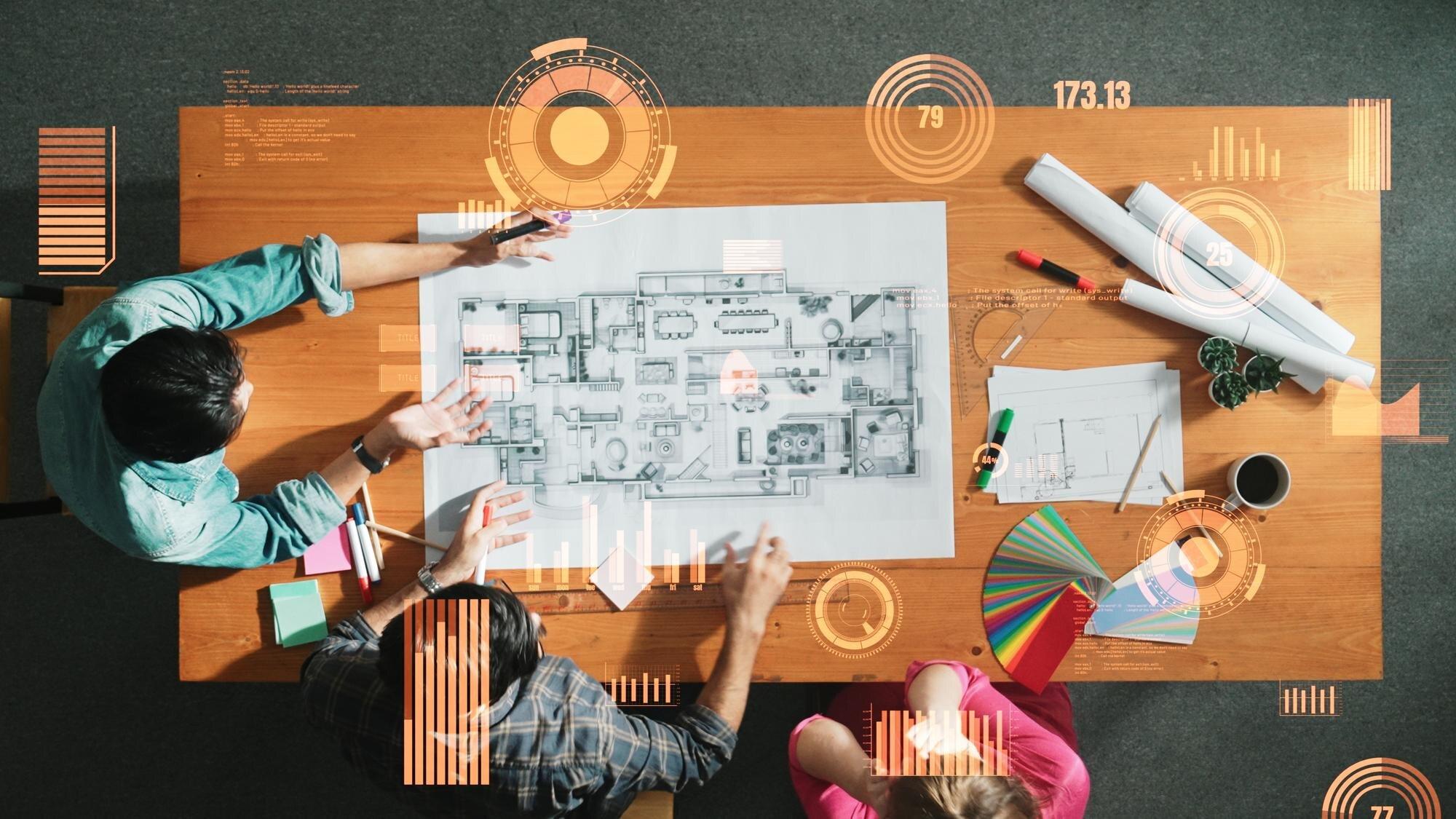
Reducing downtime during a renovation keeps revenue flowing. Consider phased approaches to maintain operations without major disruptions.
Phased Renovation Strategies
Phased renovations allow work to continue without shutting down entirely. Prioritize high-impact areas and tackle one section at a time. Start with areas needing the most attention, gradually moving to less crucial zones. This strategy keeps your store functional, minimizing customer inconvenience. Additionally, plan renovations during off-peak hours to further reduce impact on business.
Occupied Renovation Phasing Techniques
Renovating while staying open presents unique challenges. Clear communication with customers about ongoing projects is vital. Use barriers and signage to guide shoppers safely around construction zones. Offer promotions to encourage continued visits despite the changes. By managing expectations and maintaining a safe environment, you ensure a positive shopping experience.
Dust and Noise Control Measures
Controlling dust and noise is essential to maintaining a pleasant atmosphere during renovations. Use barriers and air filters to contain dust. Schedule noisy activities during closed hours whenever possible. Inform customers of potential disturbances through signage, showing your commitment to their comfort. These measures help sustain foot traffic and customer satisfaction.
Enhancing Customer Flow and Sales
Improving customer flow boosts sales and enhances shopping experiences. Focus on optimizing layouts, lighting, and signage for maximum impact.
Store Layout Optimization Tips
Optimizing your store layout involves more than just rearranging fixtures. Study shopper behavior to identify popular paths and strategically place high-margin products along these routes. Consider implementing open floor plans to create a sense of space and encourage exploration. Regularly review and adjust layouts to respond to changing customer preferences and seasonal trends.
Retail Lighting Design Essentials
Lighting plays a crucial role in shaping customer perceptions. Use layered lighting to highlight products and create an inviting atmosphere. Consider LED options for energy efficiency and versatility. Ensure your lighting design complements your brand and enhances the shopping experience, making products more appealing and visible.
Effective Wayfinding Signage Solutions
Clear signage is key to guiding customers through your store efficiently. Use consistent branding and concise language on signs to aid navigation. Position signs at key decision points, like entrances and intersections. Well-placed wayfinding reduces confusion, improves flow, and encourages more purchases.
Frequently Asked Questions
How can I ensure my store layout is optimized for sales?
Analyze customer movement patterns to identify bottlenecks. Rearrange high-margin products along popular paths to enhance visibility and boost sales.
What are the key aspects of ADA compliance in retail?
Ensure entryways and aisles are accessible for all customers. Provide clear signage for the visually impaired and make checkout areas wheelchair accessible.
How can I minimize dust and noise during renovations?
Use barriers and air filters to contain dust, and schedule noisy activities during closed hours. Inform customers about potential disturbances with clear signage.