
How to Choose a Full-Service Contractor in Florida: A Practical Checklist for Commercial and Residential Projects
Choosing the right full-service contractor Florida demands more than a quick search or a low bid. If you’ve faced delays, unexpected costs, or shoddy work, you know how costly the wrong choice can be. This post offers a clear, practical checklist to help you find a contractor who delivers on time, respects your budget, and understands local codes. Keep reading to learn how Sovanic, Inc. meets these standards and why Central Florida clients trust us from start to finish. For more insights, consider visiting this resource.
Evaluating Contractor Credentials

Your contractor choice sets the project tone. Credentials ensure capability and compliance, which are pivotal for success.
Licensing and Insurance Requirements
To avoid pitfalls, verify that your contractor holds proper licenses and insurance. Florida mandates specific licenses for different construction tasks. This ensures that they can legally and safely handle your project. Insurance protects you from liability in case of accidents. For example, if a worker gets injured on-site, their insurance should cover it, not you. Always ask for proof of these documents before signing any contracts.
Licensing also speaks to the contractor’s expertise. It’s a sign they’ve met state requirements and have the necessary skills. An insured and licensed contractor gives peace of mind, knowing you’re working with professionals. This due diligence prevents legal headaches and potential financial loss down the line.
Expertise in Local Building Codes
Understanding local building codes is crucial. These regulations ensure safety and compliance with regional standards. A contractor familiar with these codes will help your project run smoothly. They’ll navigate permits and inspections efficiently, saving you time and stress. For instance, if you’re building in a flood zone, certain elevations and materials might be required.
Hiring someone knowledgeable in local codes avoids costly mistakes and delays. It shows they have experience in your area and understand its unique challenges. This expertise ensures your project meets all legal requirements, avoiding fines or reconstruction.
Safety Records and Protocols
Safety isn’t just a box to tick; it’s essential. A strong safety record indicates professionalism and care for workers and clients. Ask about their safety protocols. How do they prevent on-site accidents? What training do their workers undergo?
A contractor committed to safety will have clear protocols and a history of few incidents. This focus minimizes risks, protecting both workers and project timelines. Moreover, a safe work environment boosts productivity, as workers can concentrate on quality without worry.
Project Management Essentials
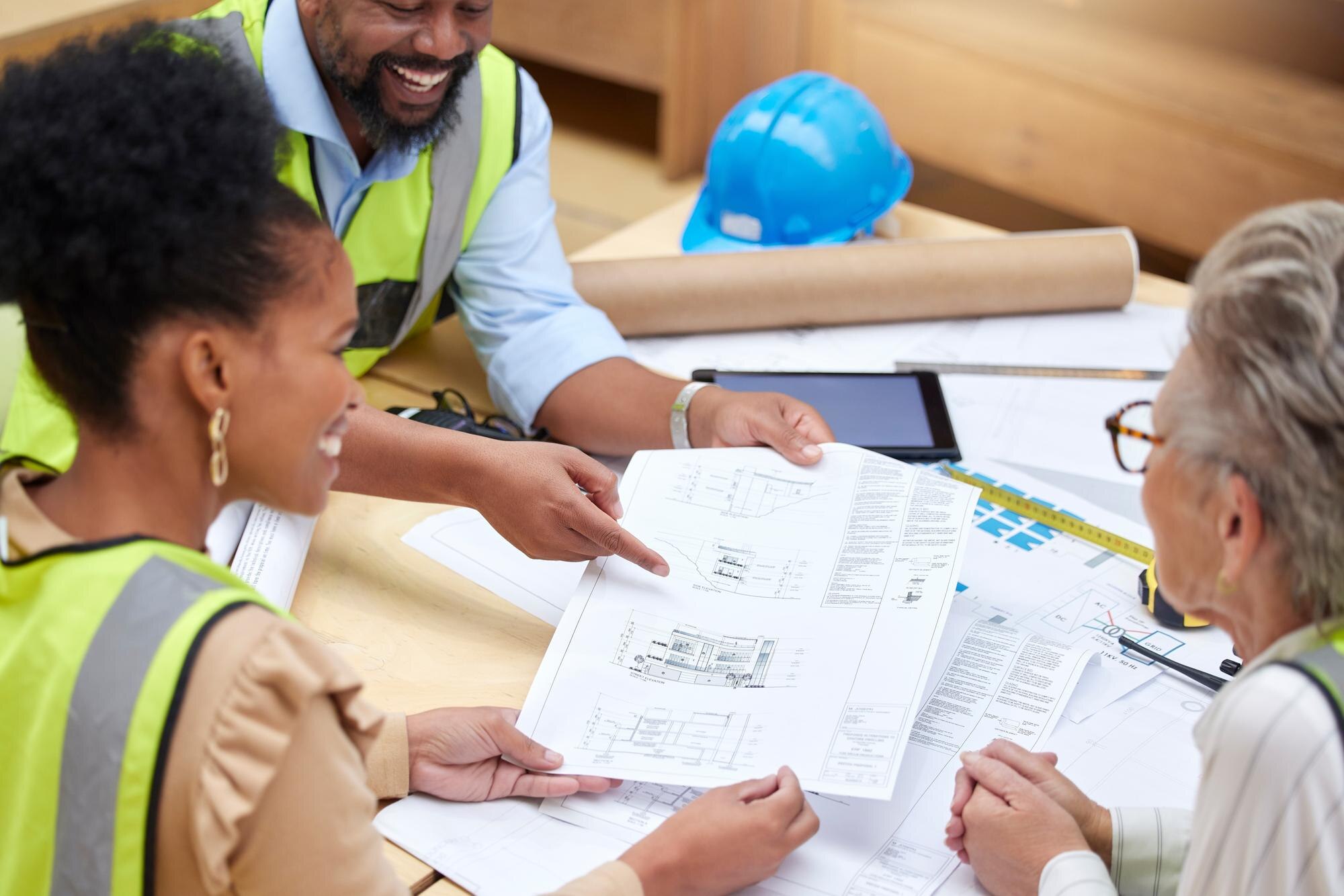
With credentials checked, let’s explore how contractors manage your project. Effective management ensures timely, budget-conscious completion.
Schedule and Budget Controls
Contractors should provide a clear timeline and budget plan. Ask about their methods for staying on track. Do they use project management software? How do they handle unexpected changes or delays?
A reliable contractor will have strategies to manage time and costs effectively. They should provide regular updates and be transparent about progress. This communication helps prevent surprises and keeps you informed. By maintaining control over schedules and budgets, they ensure the project meets your expectations without unnecessary stress.
Communication and Collaboration Practices
Open communication is key to a successful project. Your contractor should prioritize regular check-ins and updates. How do they handle client feedback? Are they responsive to calls and emails?
Effective collaboration ensures your vision is realized. A contractor who listens and adapts to your needs will deliver better results. This interaction fosters trust and allows for adjustments as the project evolves. When both sides work together, the outcome is a space that truly meets your goals.
Quality Assurance and Subcontractor Management
Quality assurance guarantees high standards are maintained throughout the project. Ask about their quality checks. Do they have a process for inspecting work at various stages? How do they choose and manage subcontractors?
A contractor with robust quality assurance will catch issues early, preventing costly rework. They should vet subcontractors carefully, ensuring they meet the project’s standards. By managing these relationships well, they maintain consistency and quality, resulting in a final product that meets your expectations.
Tailored Solutions for Various Sectors

Different projects require different approaches. Let’s explore how contractors tailor solutions for specific sectors.
Retail and Hospitality Renovations
Updating retail or hospitality spaces involves unique challenges. These projects often require quick turnarounds to minimize downtime. A contractor experienced in this sector understands the need for speed without sacrificing quality. They should offer solutions that enhance both aesthetics and functionality, driving customer engagement.
For instance, a well-designed retail space can boost foot traffic. A hospitality renovation might focus on improving guest comfort and experience. Choose a contractor who knows how to create spaces that attract and retain customers, ultimately boosting your bottom line.
Industrial and Office Build-Outs
Industrial and office projects demand specialized knowledge. These spaces must be functional and comply with specific regulations. A contractor with experience in this area will understand the nuances of building for productivity and safety.
Whether it’s constructing a new office or expanding an industrial facility, the contractor should offer solutions that optimize space use. They should also be adept at incorporating technology and energy-efficient practices, reducing long-term operational costs.
Custom Homes and ADU Conversions
Custom homes and accessory dwelling units (ADUs) require a personal touch. These projects reflect your style and needs. A good contractor listens to your vision, offering creative solutions to bring it to life. They should guide you through design choices, material selection, and layout options.
For ADUs, understanding zoning laws and maximizing space is crucial. A contractor familiar with these projects will ensure a seamless process, from design to completion. The result? A home or ADU that feels uniquely yours.
By focusing on these key areas, you can select a contractor who will deliver a project that meets your needs and exceeds your expectations. For more insights on finding the right contractor, check out this helpful resource.